Autopsy Simulator
Advanced pathology simulation with realistic cadaver systems and forensic examination mechanics
Our Role in Autopsy Simulator
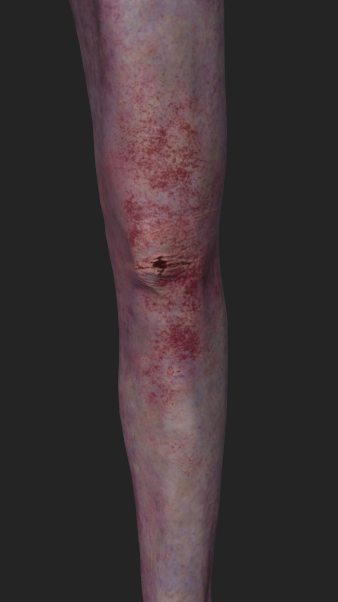
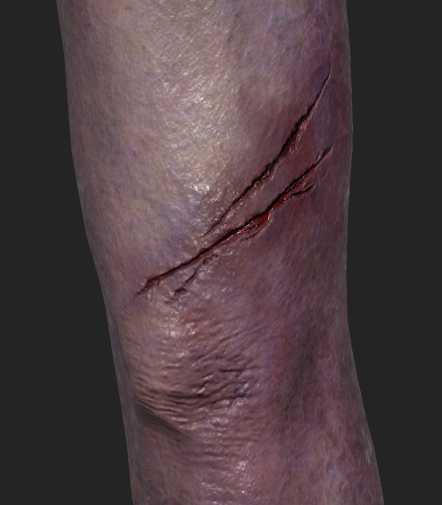
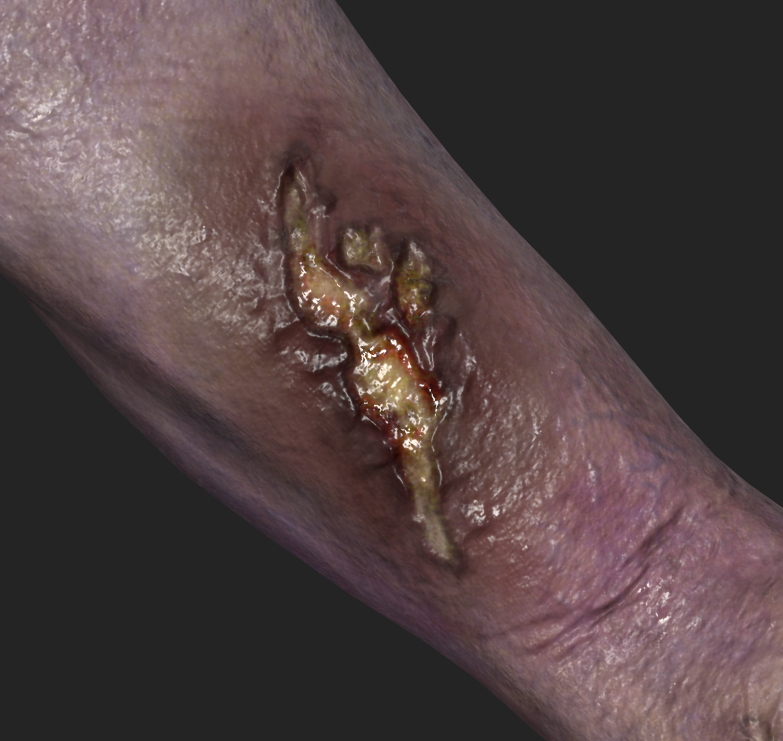
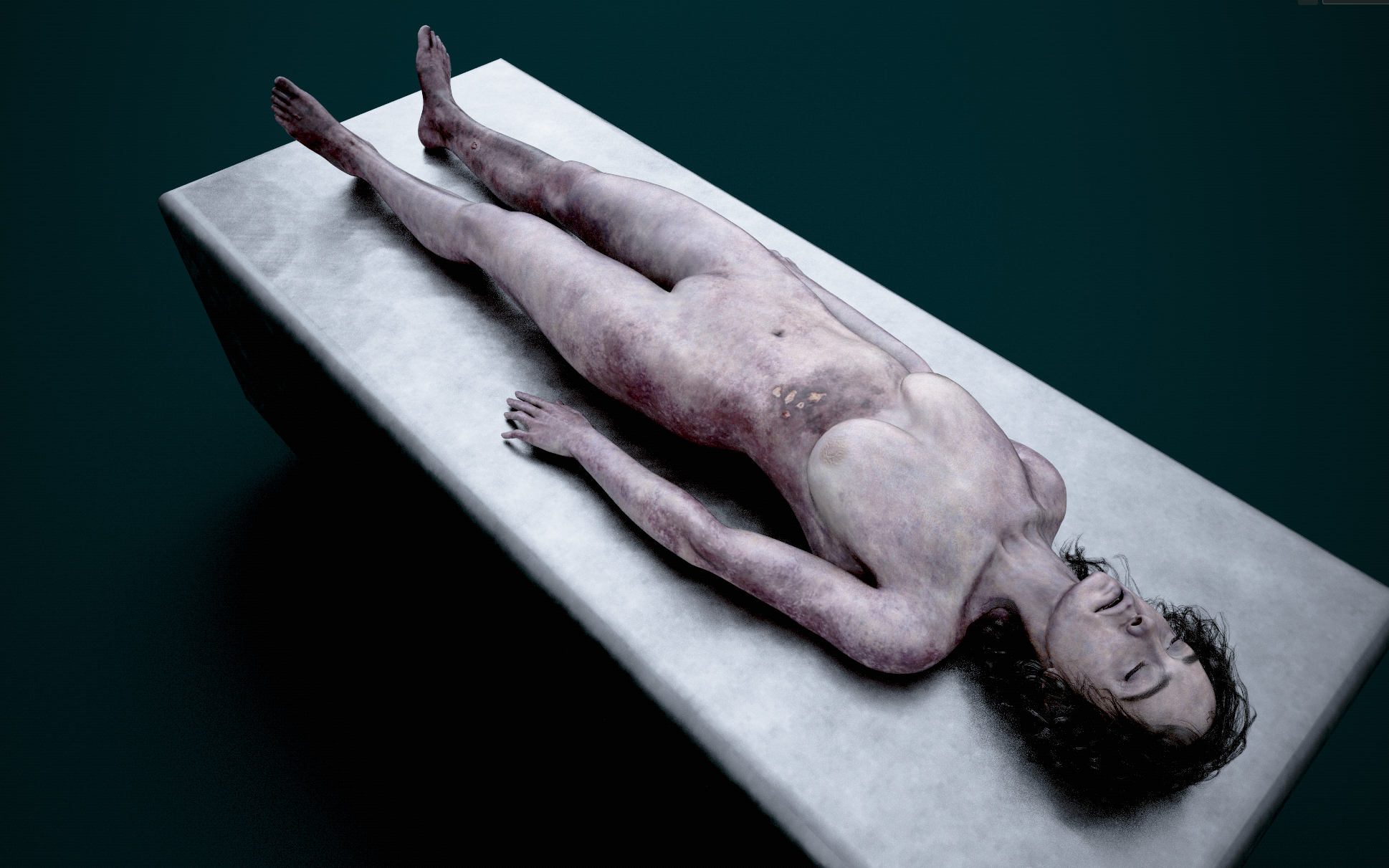
Yarrawah Interactive provided asset production for the Autopsy Only Mode in Autopsy Simulator, a detailed forensic simulation game. Our work focused on retexturing and improving cadaver models with dynamic injury visualization, procedural wound blending, and advanced shader networks. We enhanced four cadaver models through topology refinement, detailed re-sculpting, improved UV mapping and baking, and blendshape creation, delivering comprehensive material systems supporting unlimited injury variations and procedural detail.
Key Contributions
- Topology refinement and re-sculpting for enhanced detail capture
- Optimized UV layouts and high-resolution texture baking
- Blendshape creation for anatomical deformation
- Master shader creation with 4-layer wound blending system
- Procedural injury randomization with 30+ texture variations
- Runtime texture array generation overcoming Unity sampler limits
- Comprehensive organ retexturing with pathological variations
- 2D tutorial board UI graphics for forensic procedure workflow
Technical Achievements
Development Showcase
Our technical work brought realistic pathology to life through advanced material systems and anatomically accurate modeling.
Cadaver Models
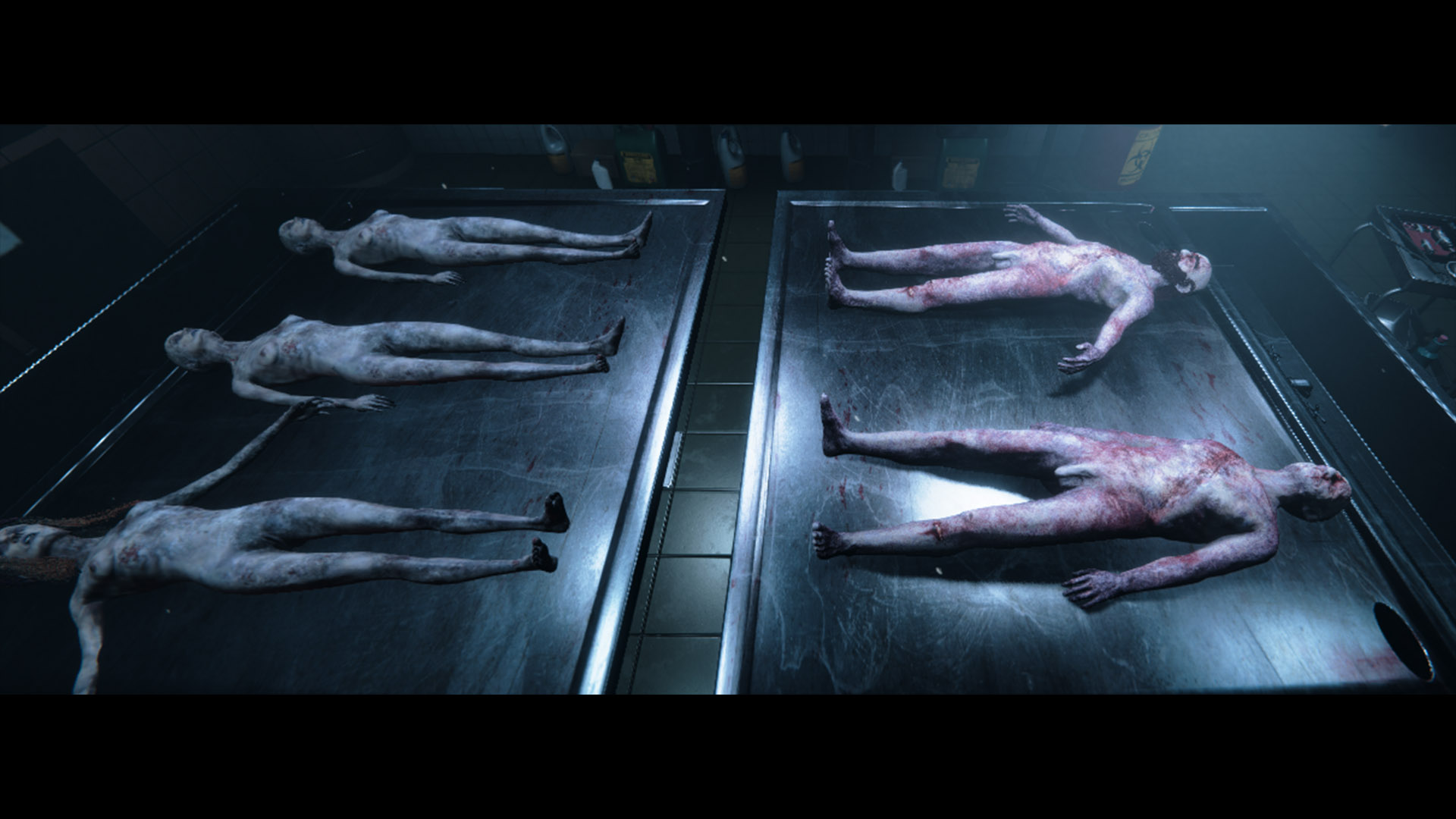
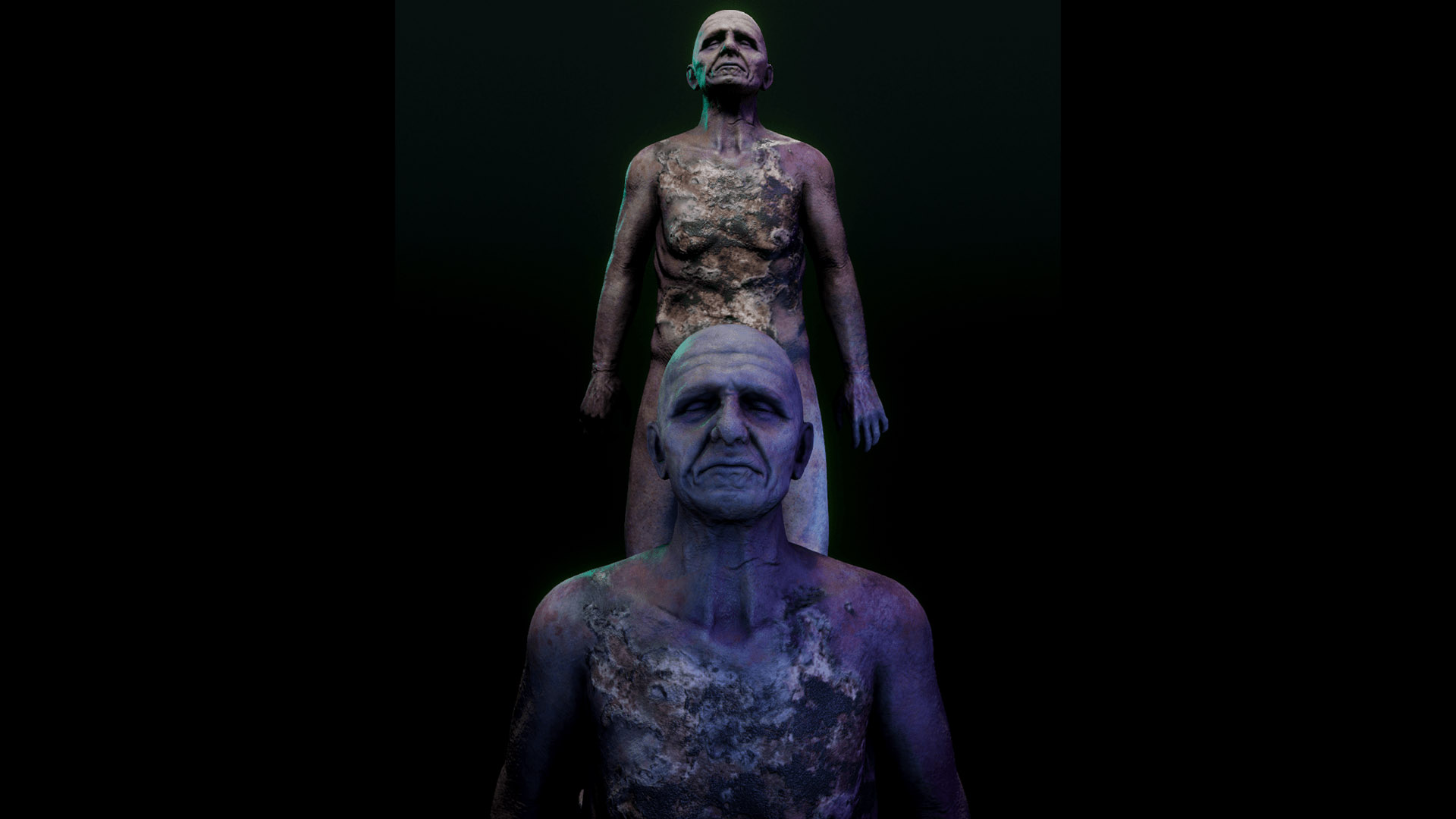
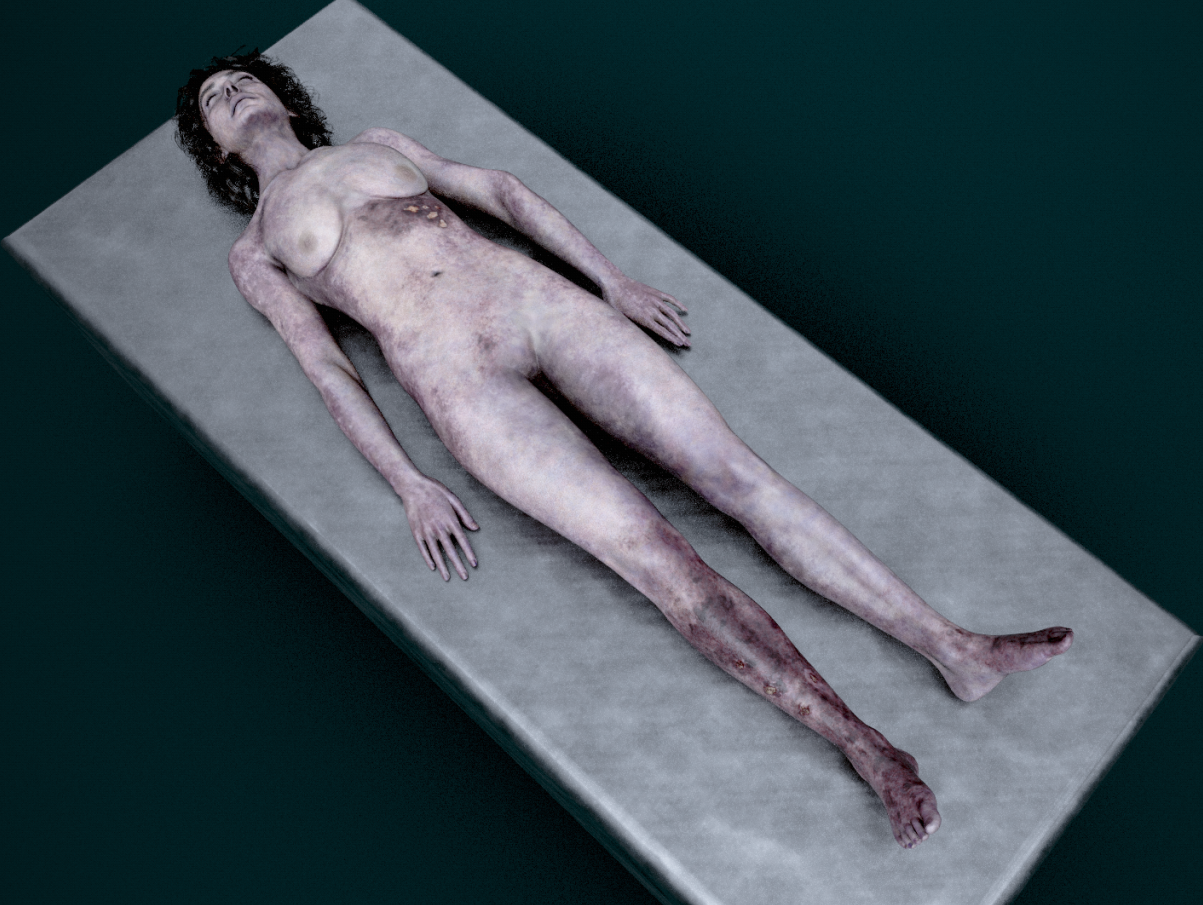
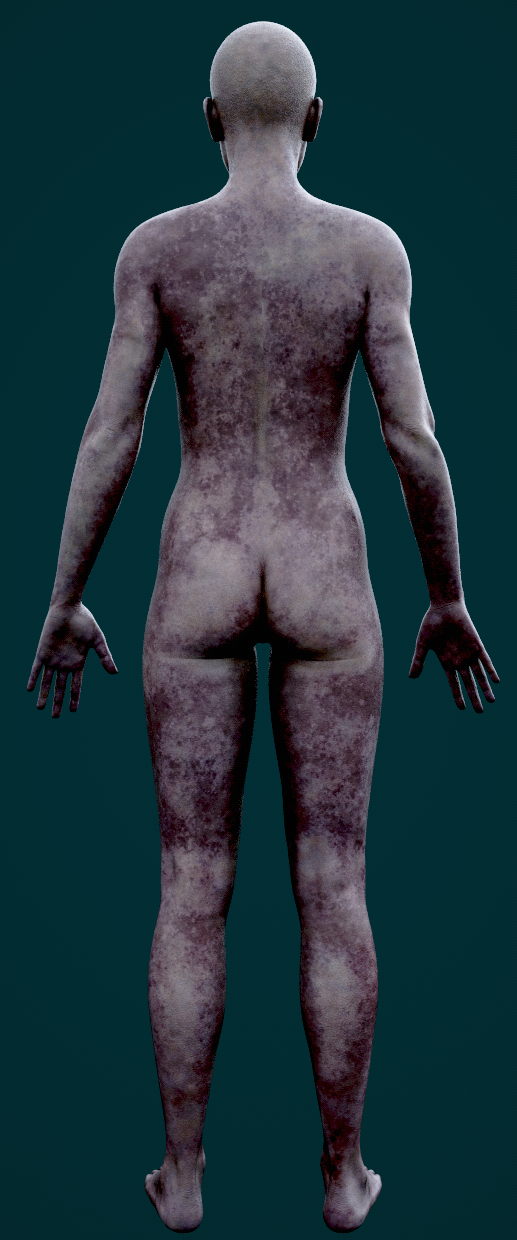
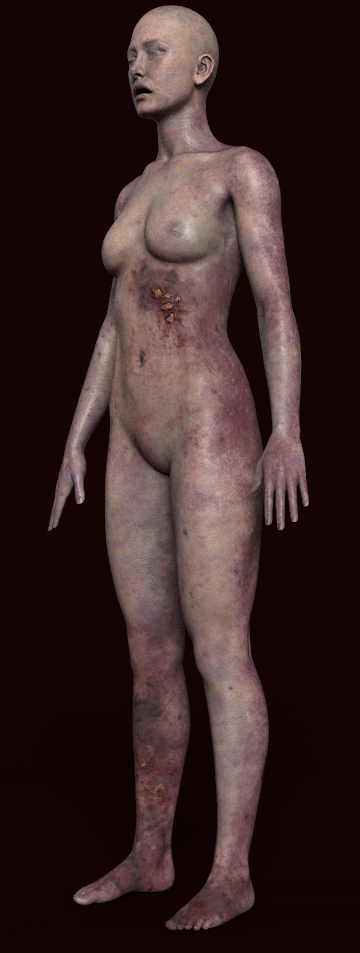
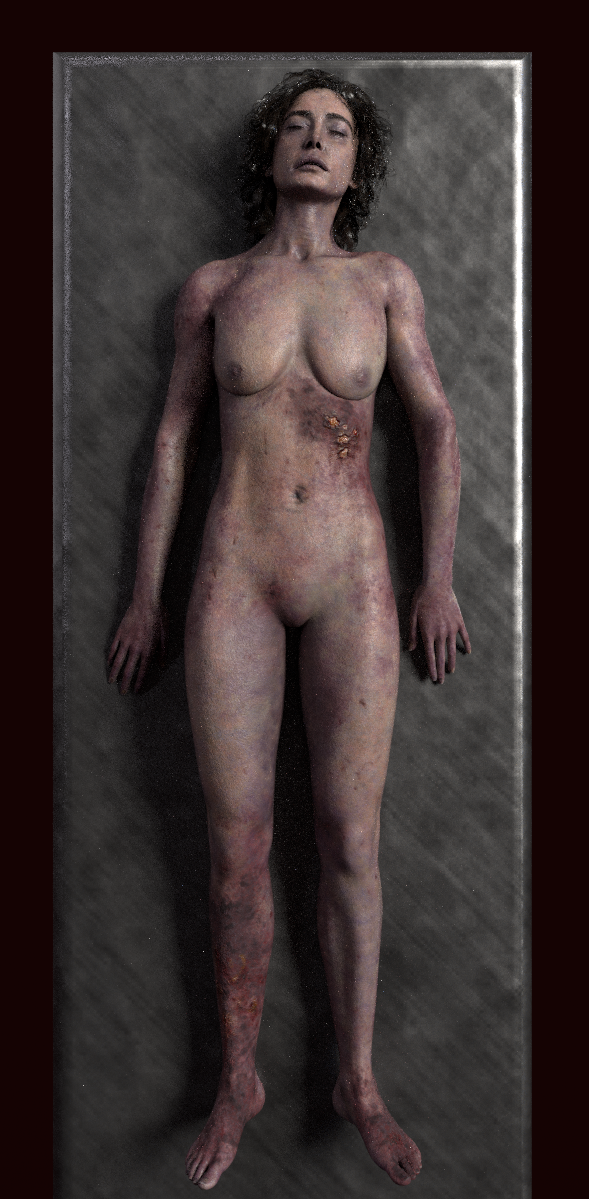
Refined four cadaver models through topology optimization, detailed re-sculpting, and improved UV mapping for superior texture baking. Enhanced anatomical accuracy with blendshape systems for realistic deformation, delivering production-ready assets with comprehensive material support for dynamic injury visualization.
Injury Visualization
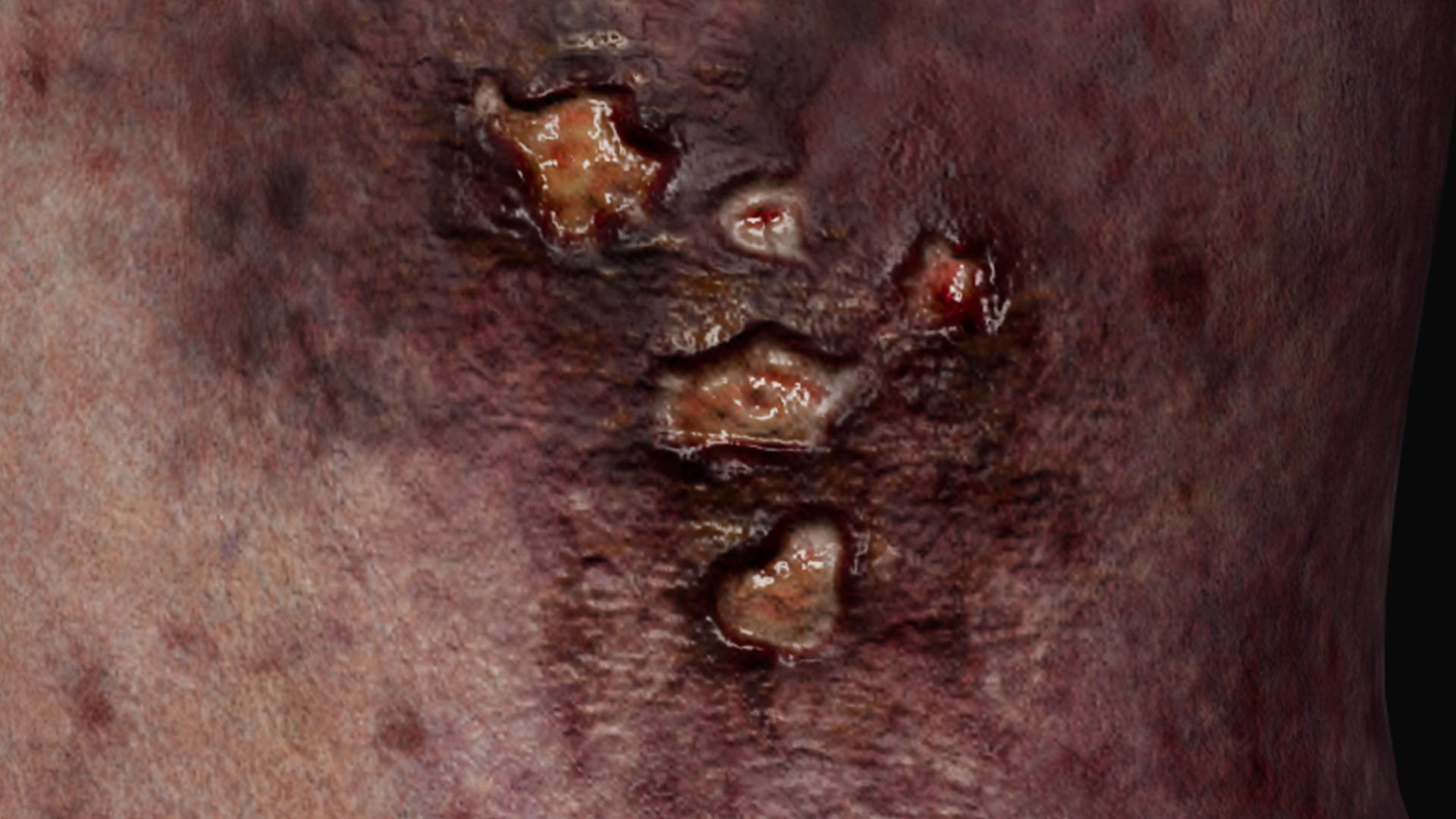
Developed procedural injury systems featuring 30+ texture variations including blunt force trauma, lacerations, gunshot wounds, and decomposition states. Engineered custom master shader with four-layer wound blending and runtime randomization, enabling unlimited forensic scenario combinations.
Advanced Shader Systems
Built sophisticated Unity shader architecture featuring custom master shader and subgraph systems for multi-layer wound visualization. Implemented runtime texture array generation system to overcome Unity's 16 sampler limit while supporting complex procedural blending and pathological organ variations.
Visual Portfolio
A comprehensive look at our cadaver models, injury systems, and material work for Autopsy Only Mode.
Injury Visualization Details
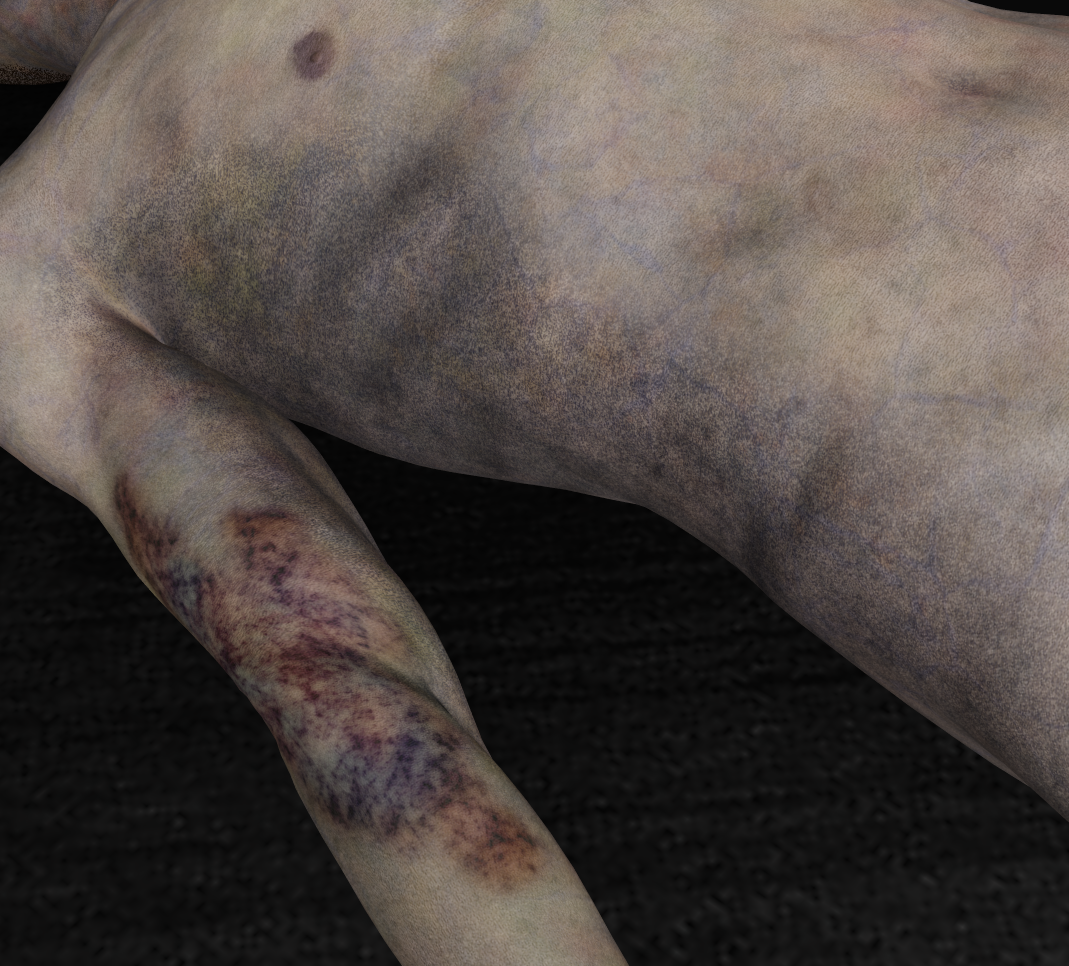
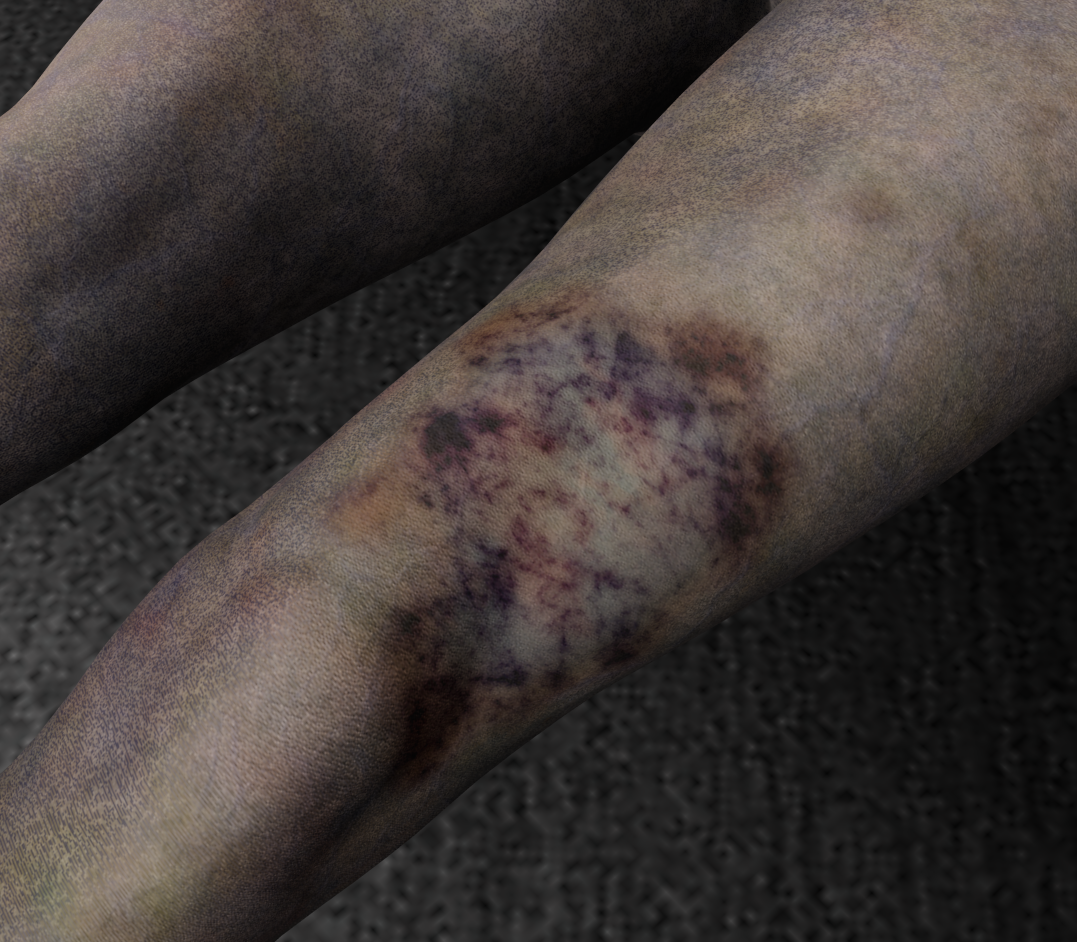
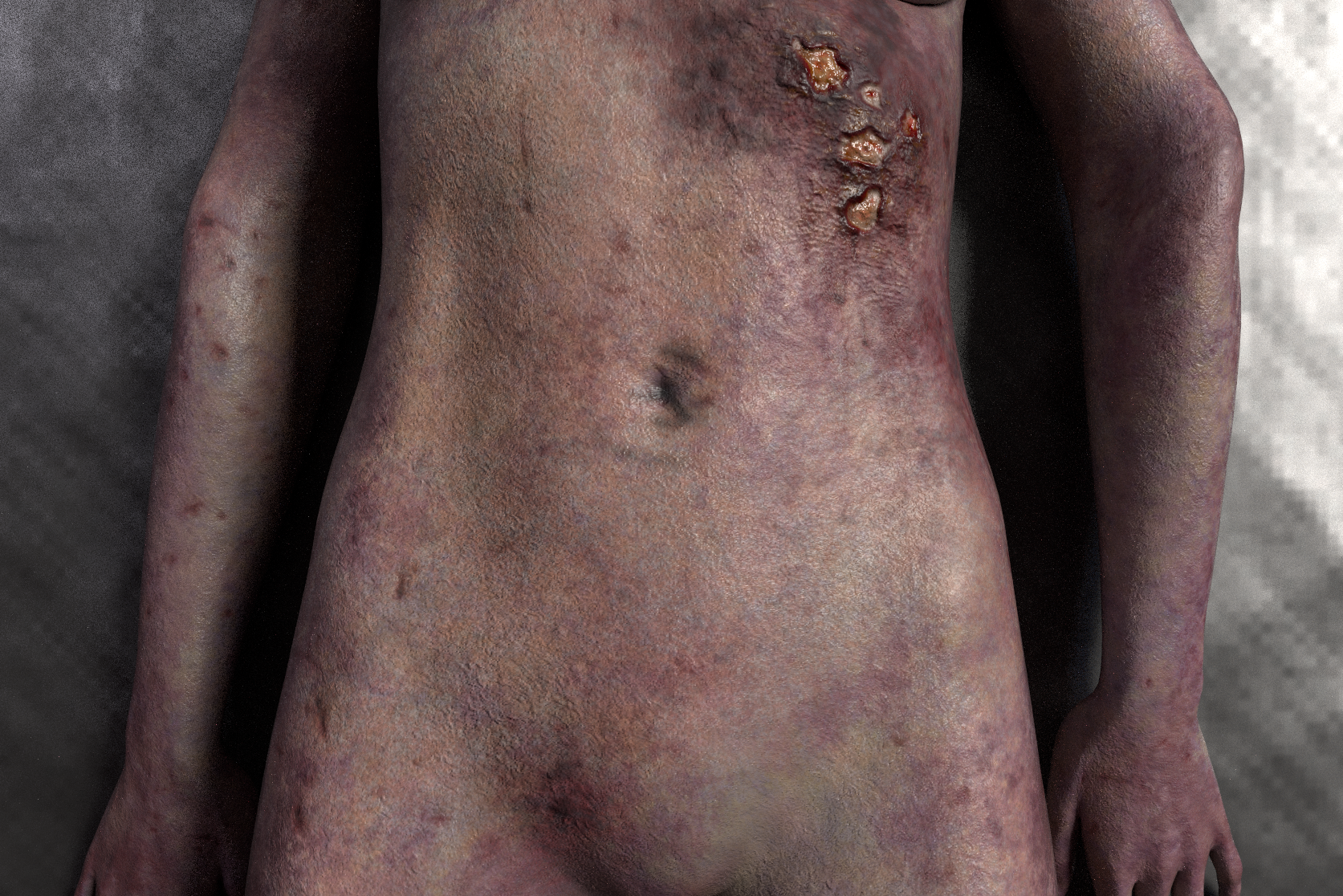
Detailed injury textures showcasing bruising, lacerations, burns, and infection states with realistic material blending.
Bruised Arm
Bruised Leg
Skin and Wound Detail
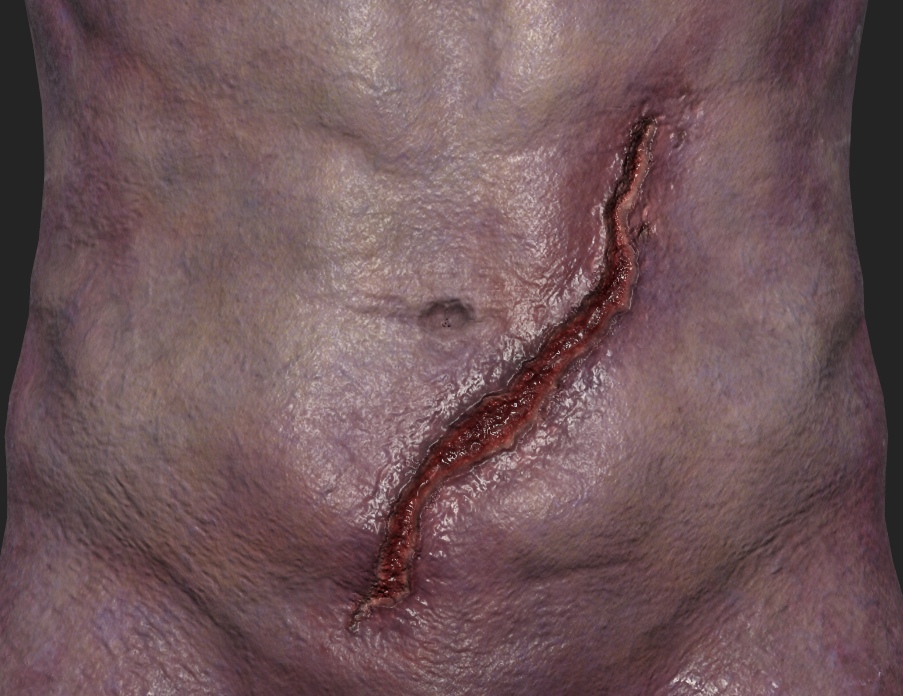
Abdominal Laceration
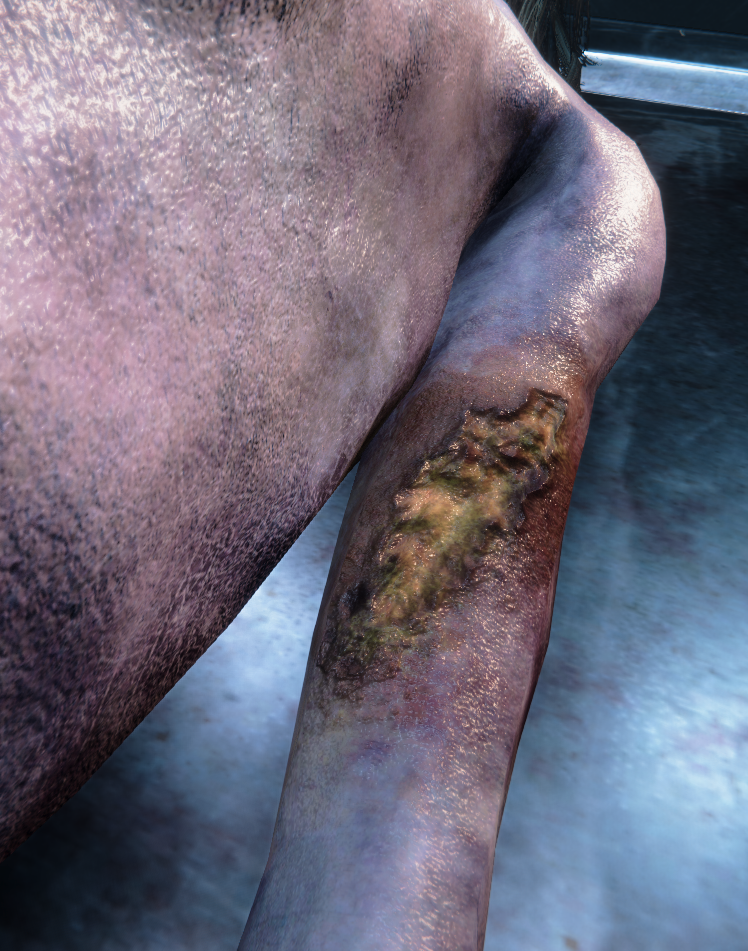
Infected Wound
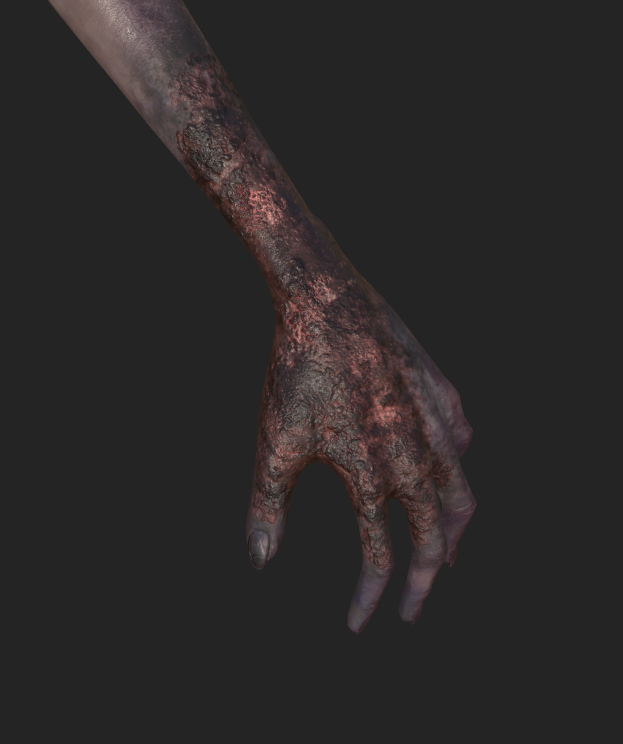
Burnt Hand
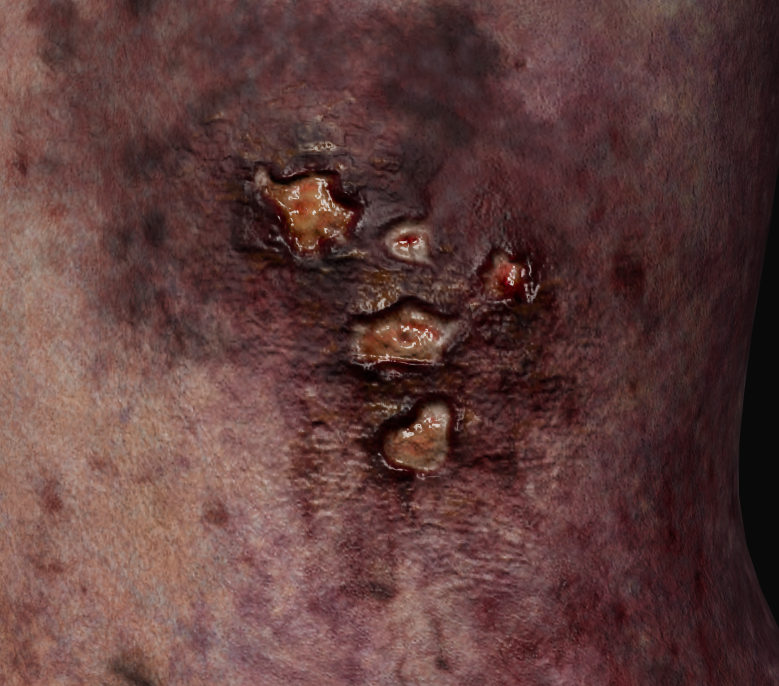
Infected Wound
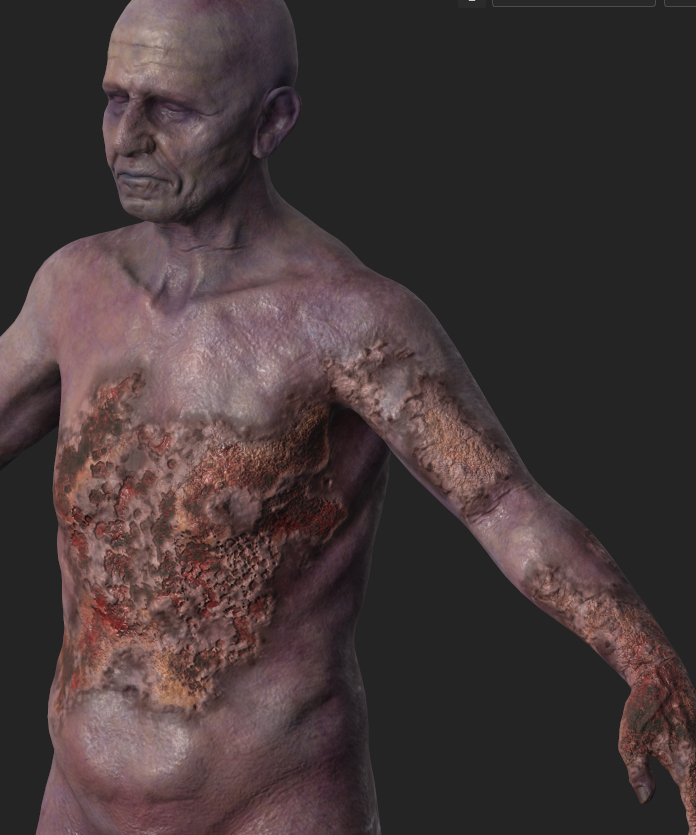
Burnt Torso
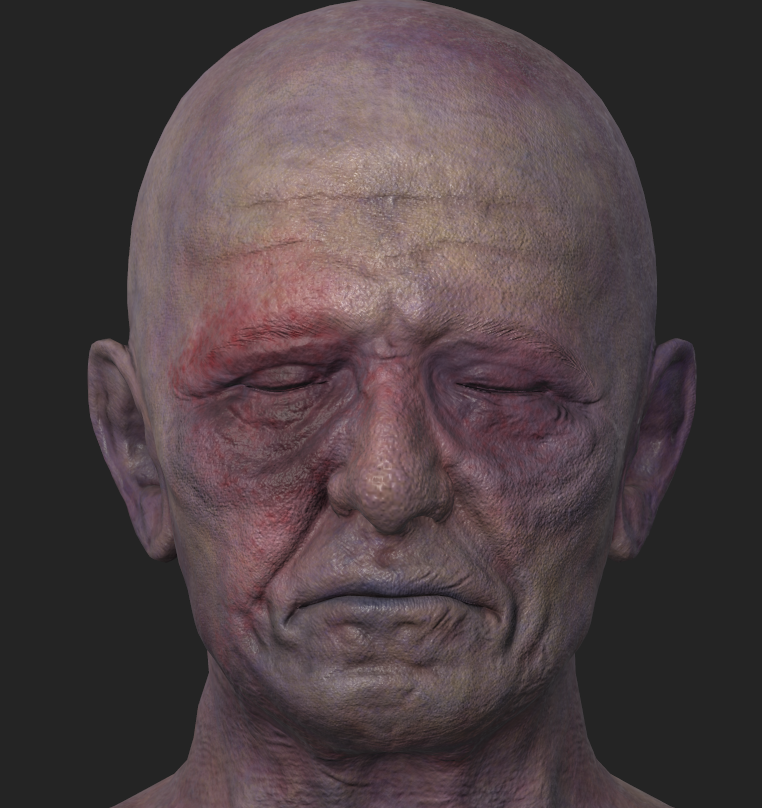
Swollen Face
Cadaver Models
Four unique cadaver models with anatomical accuracy, injury visualization, and procedural wound systems.
Old Man
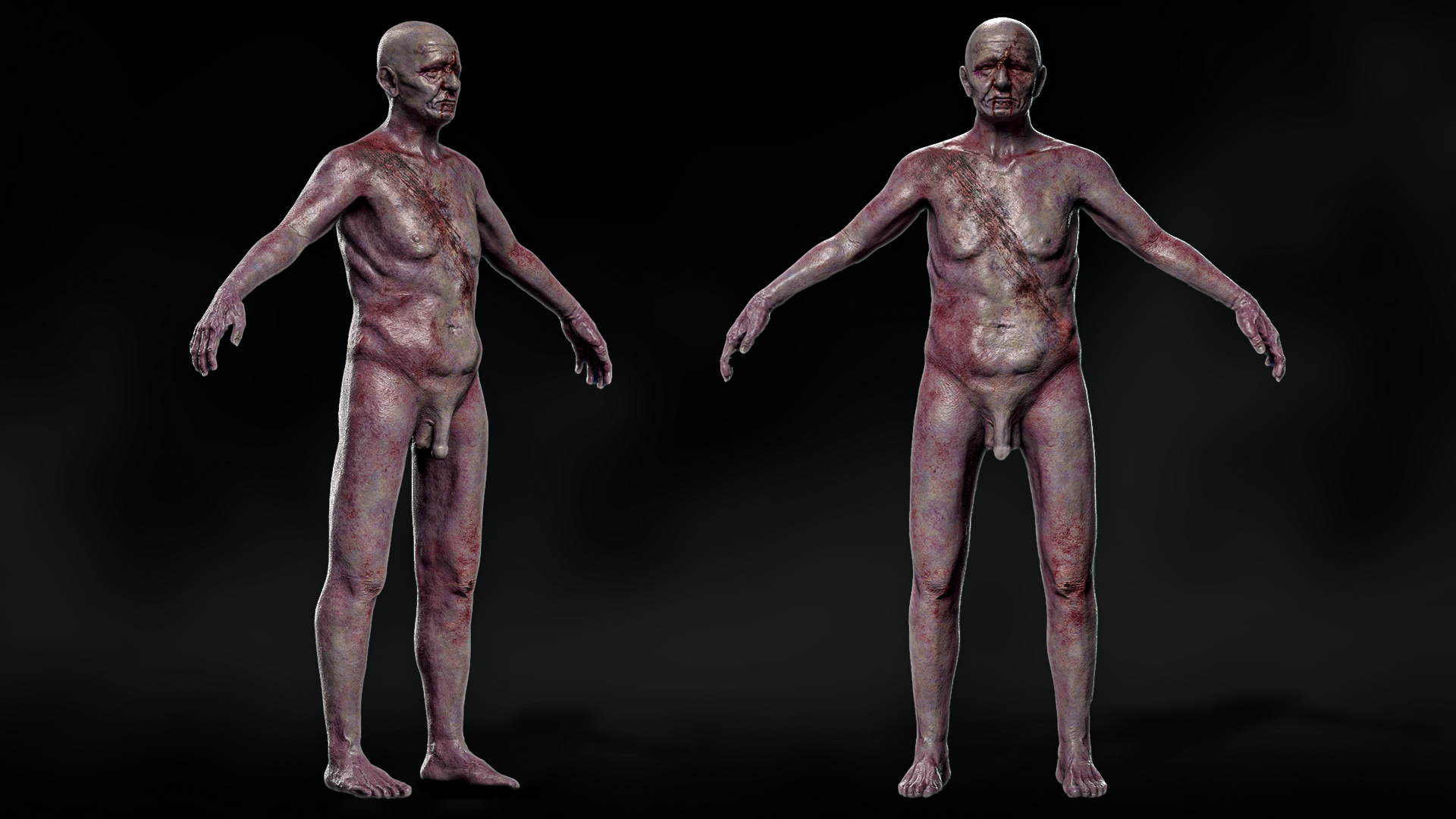
Full Body
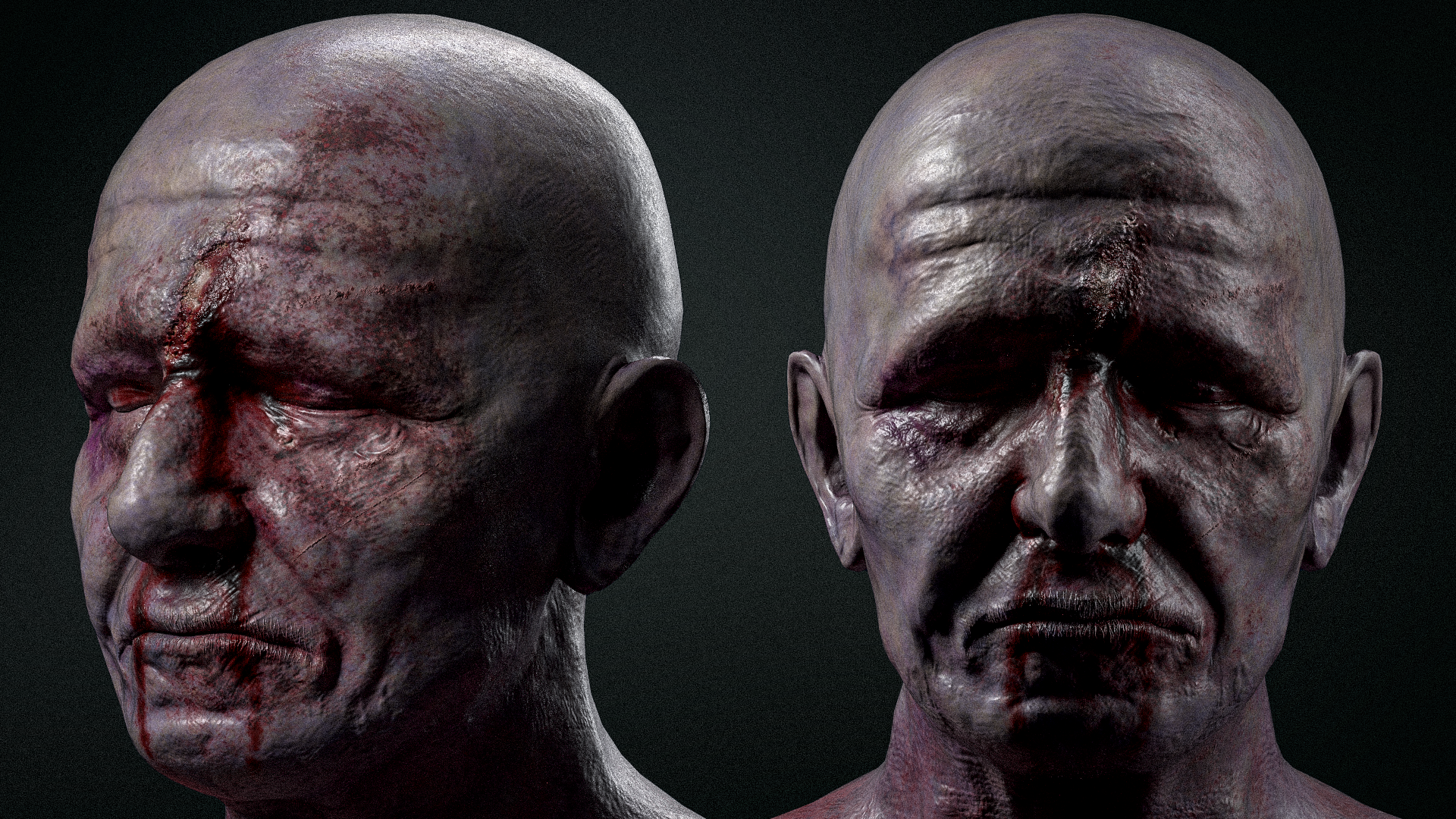
Head Details
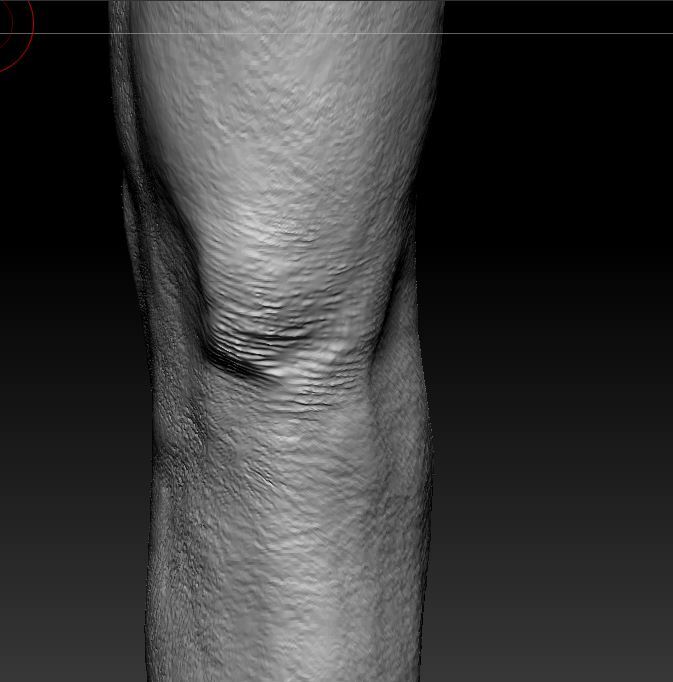
Leg Details
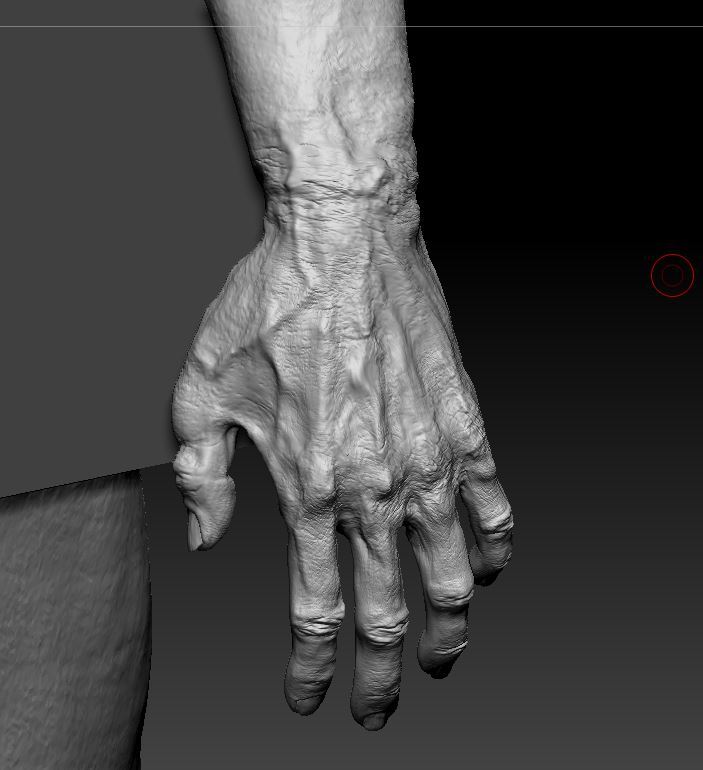
Hand Details
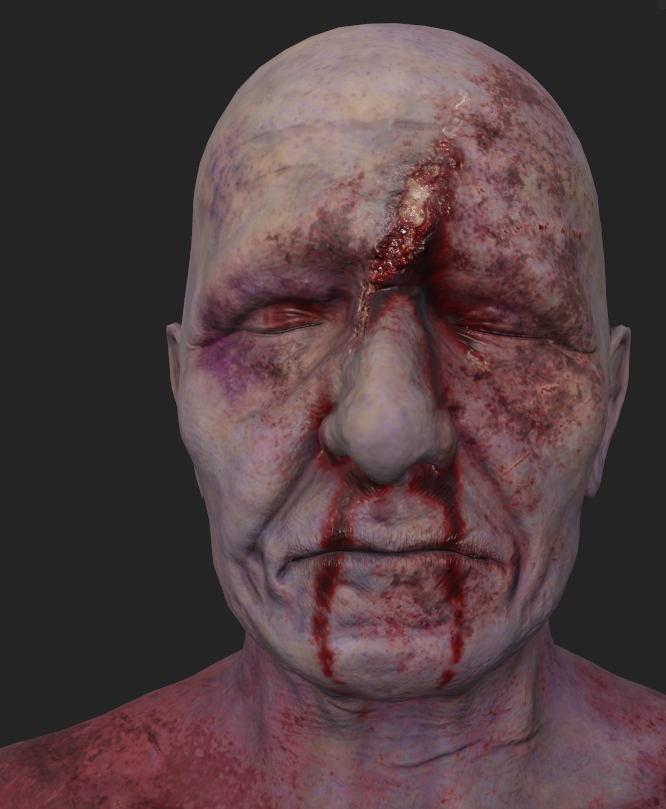
Injury Detail 1
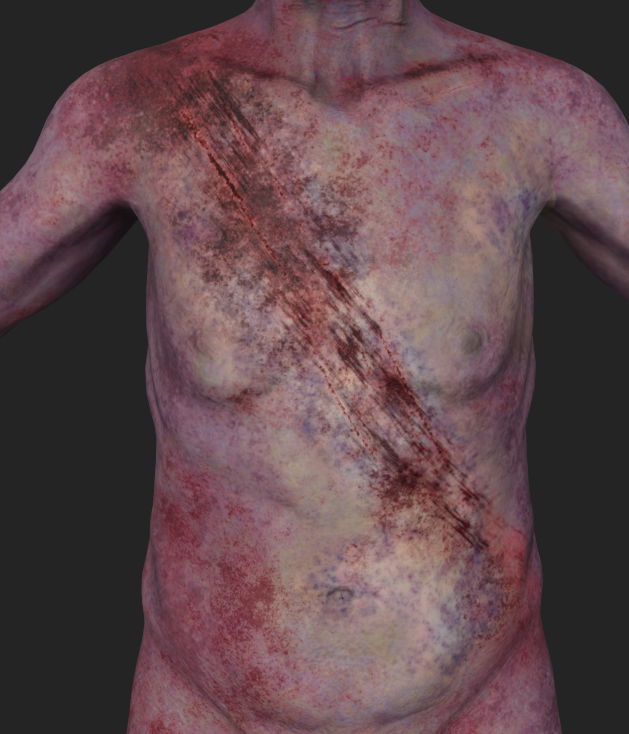
Injury Detail 2
Injury Detail 3
Injury Detail 4
Injury Detail 5
Annie
Full Body View 1
Full Body View 2
Full Body View 3
Full Body View 4
Full Body View 5
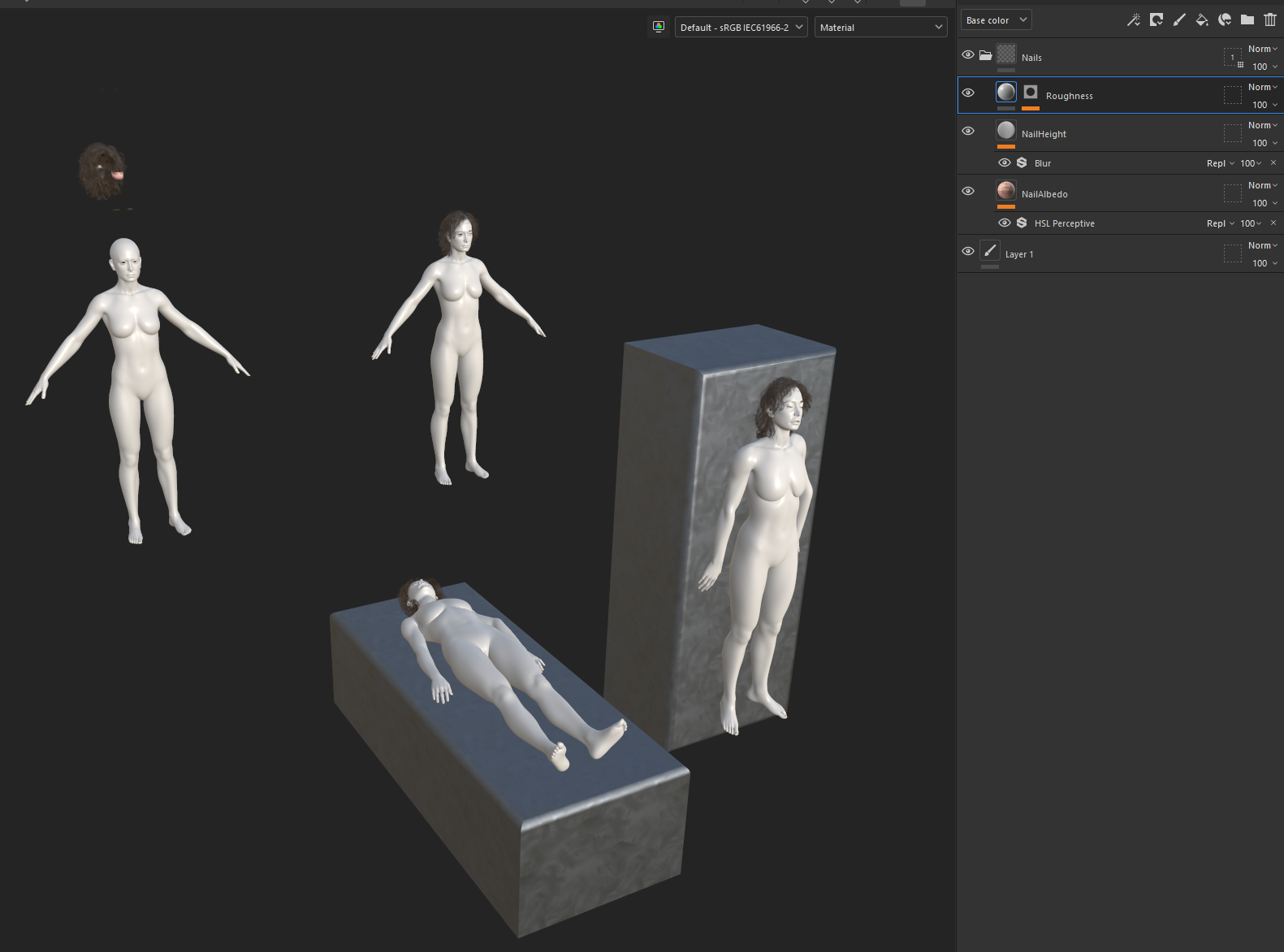
Substance Painter Setup
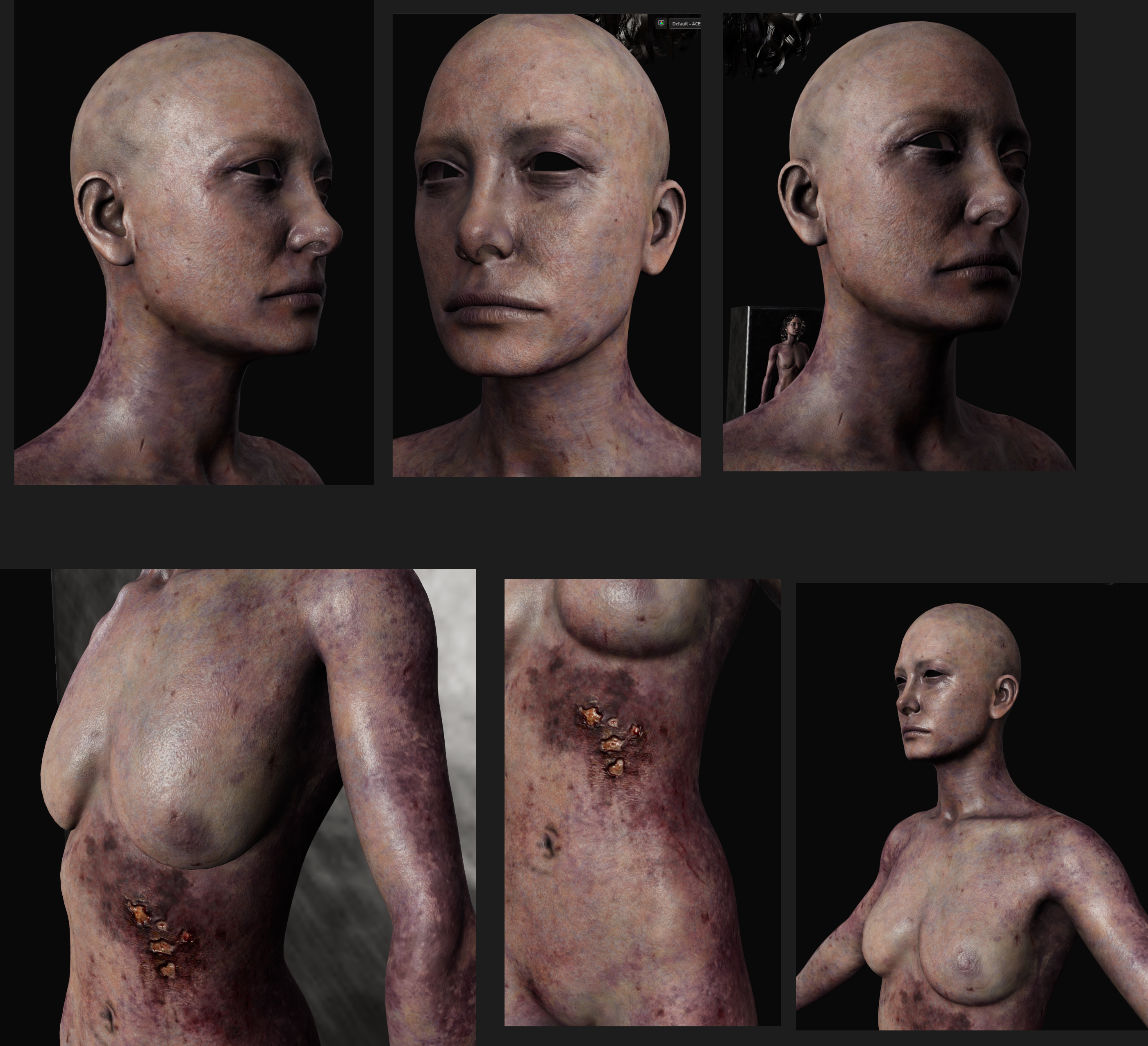
Body Details 1
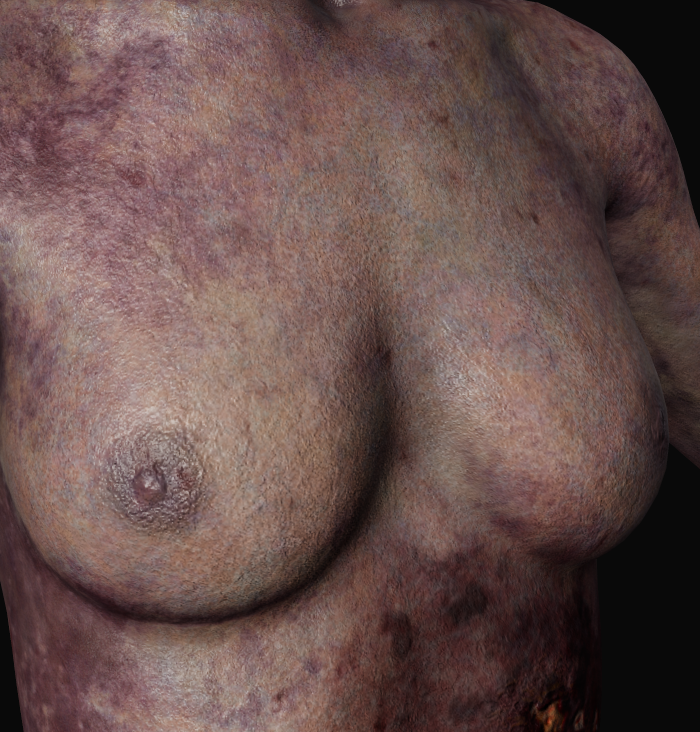
Body Details 2
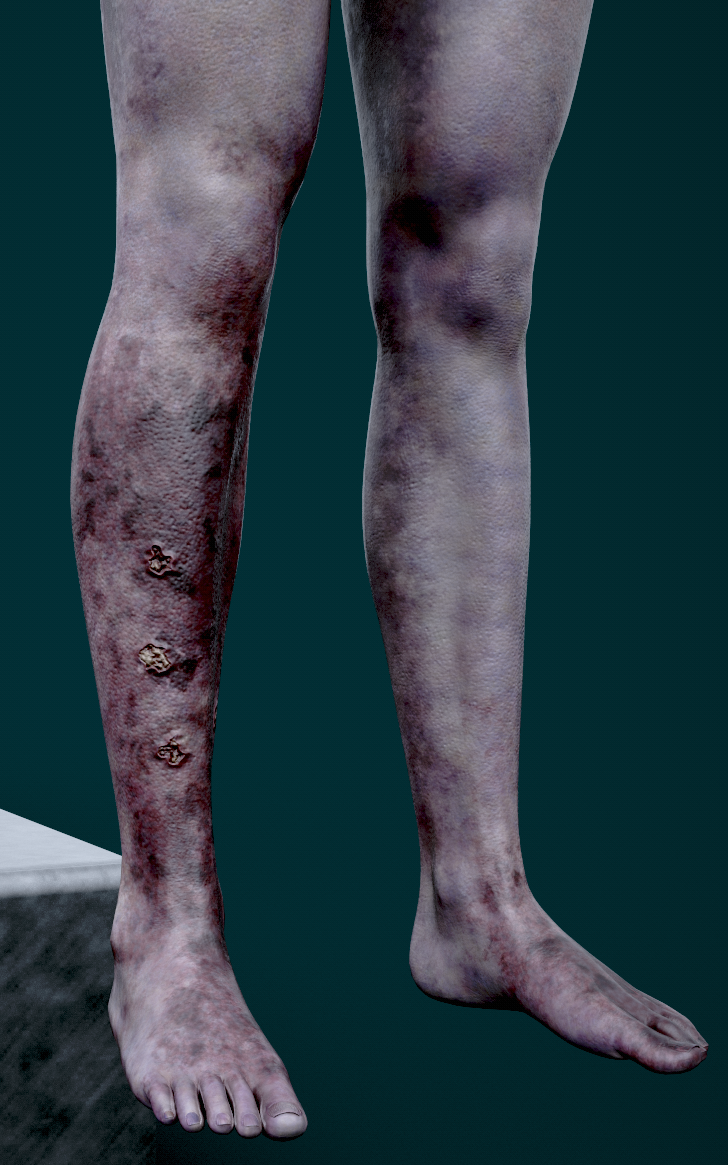
Leg Injury Details
Seth
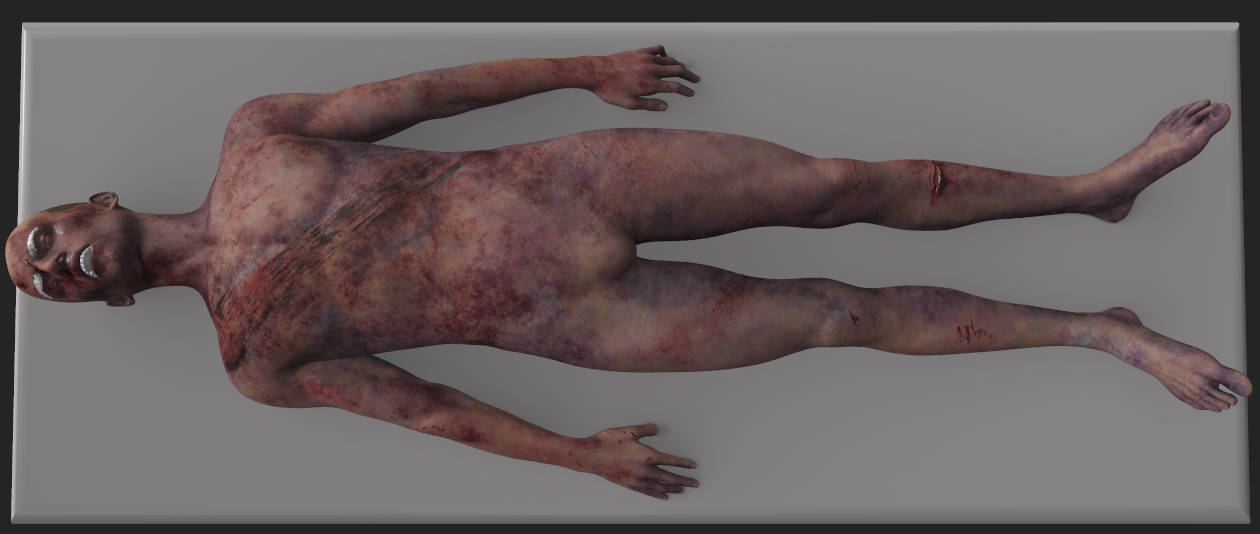
Full Body
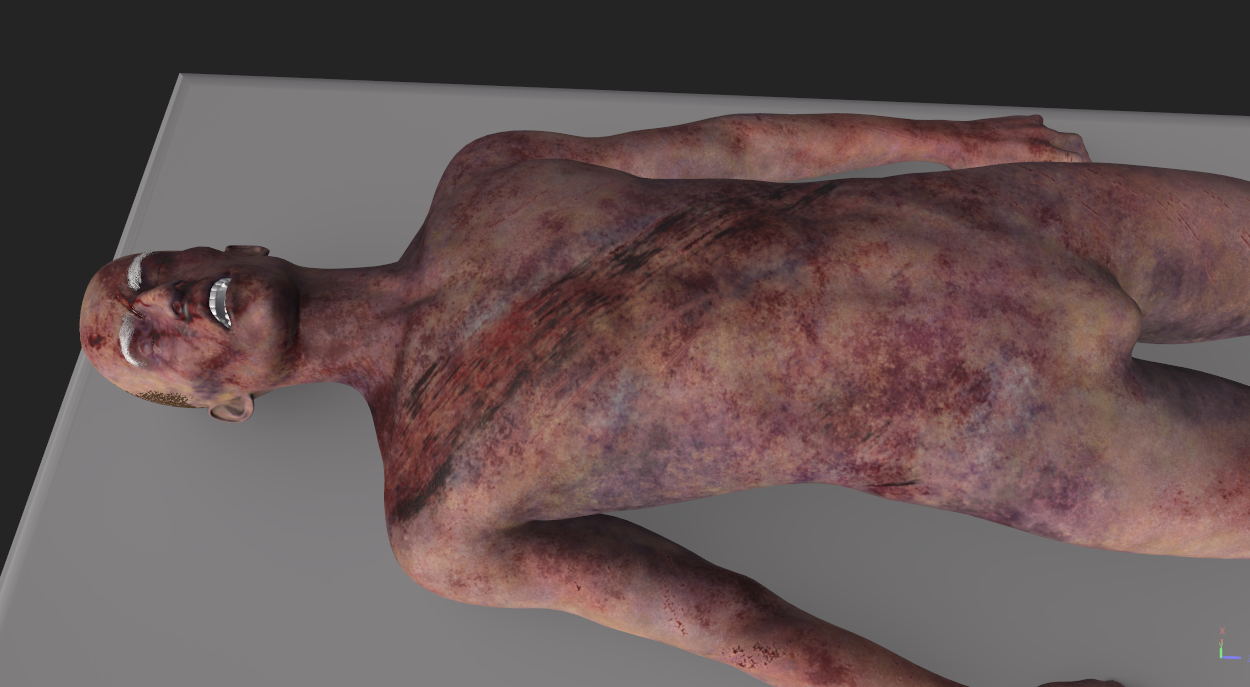
Body Details 1
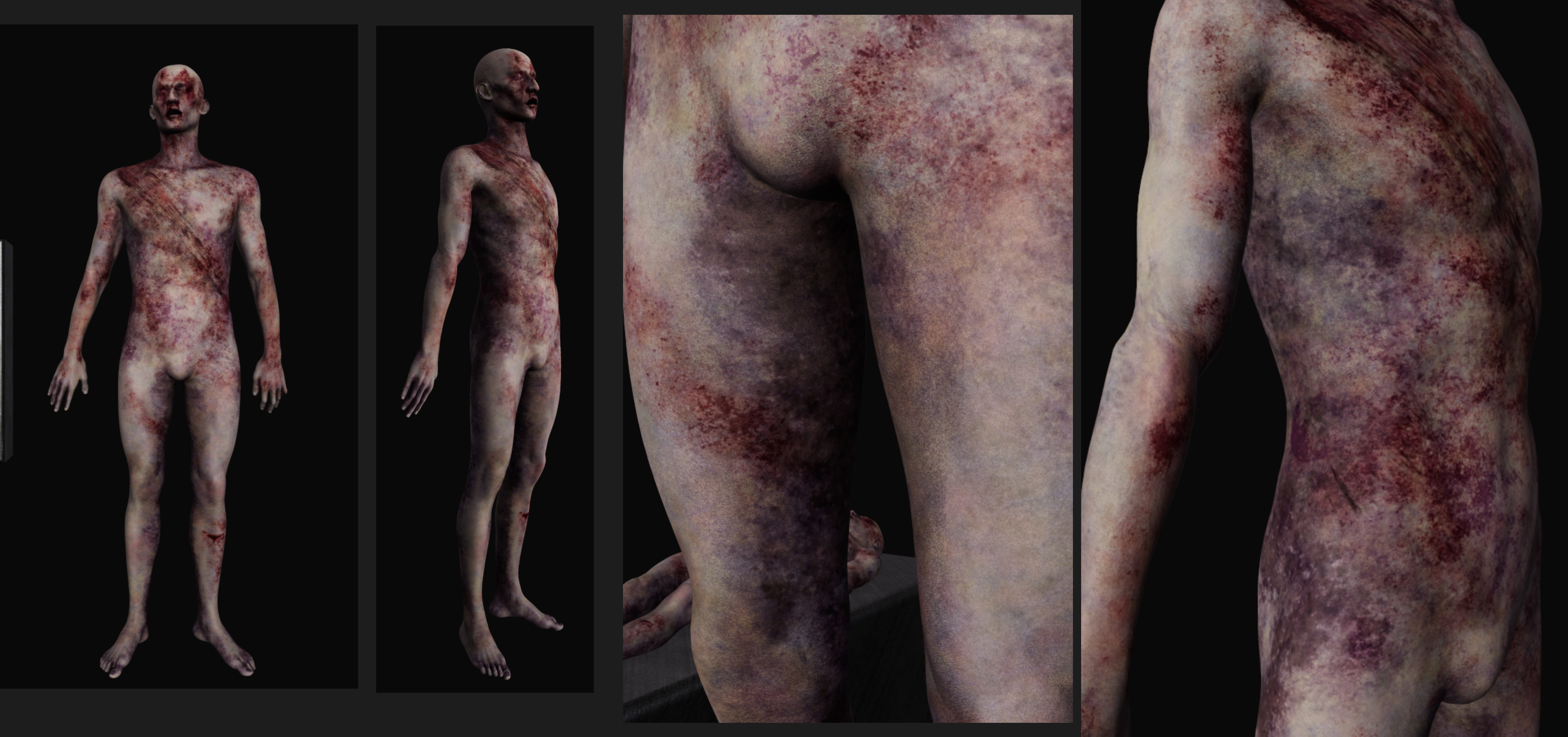
Body Details 2
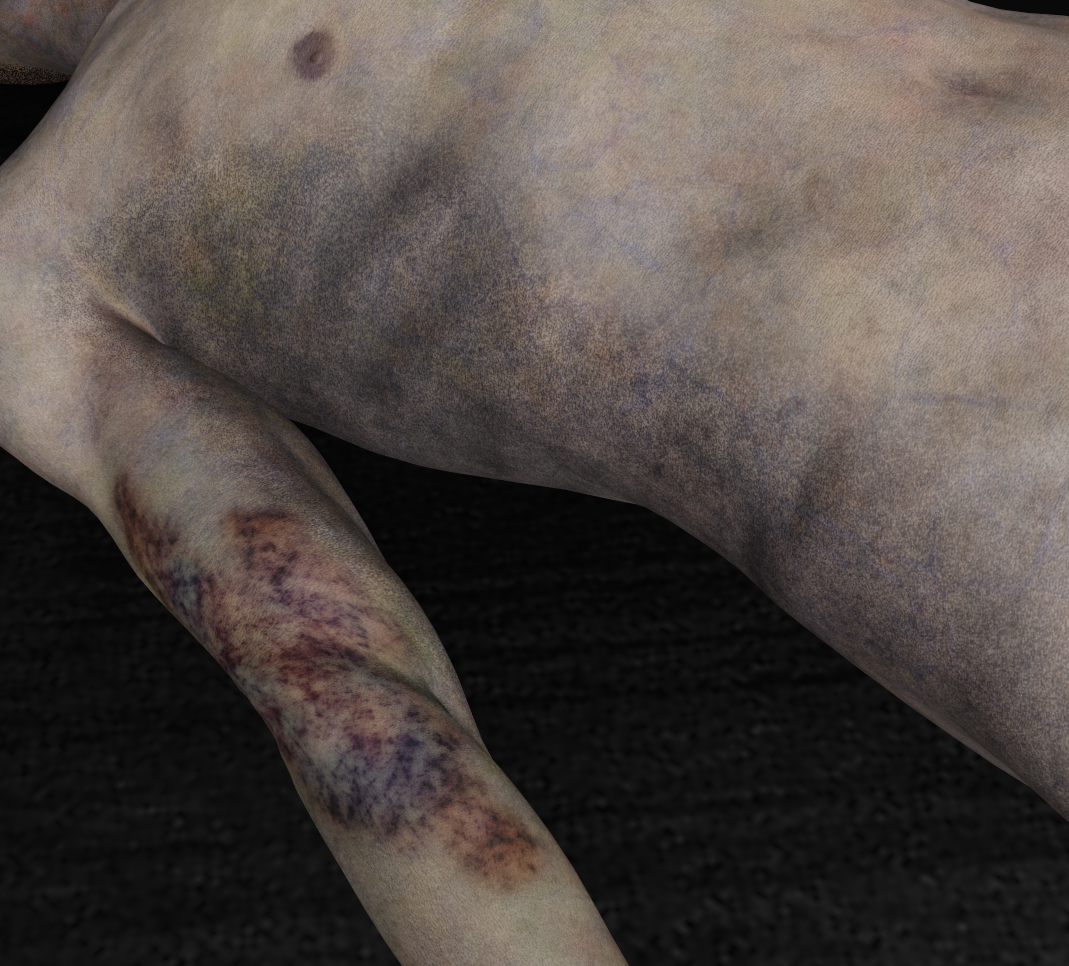
Injury Details 1
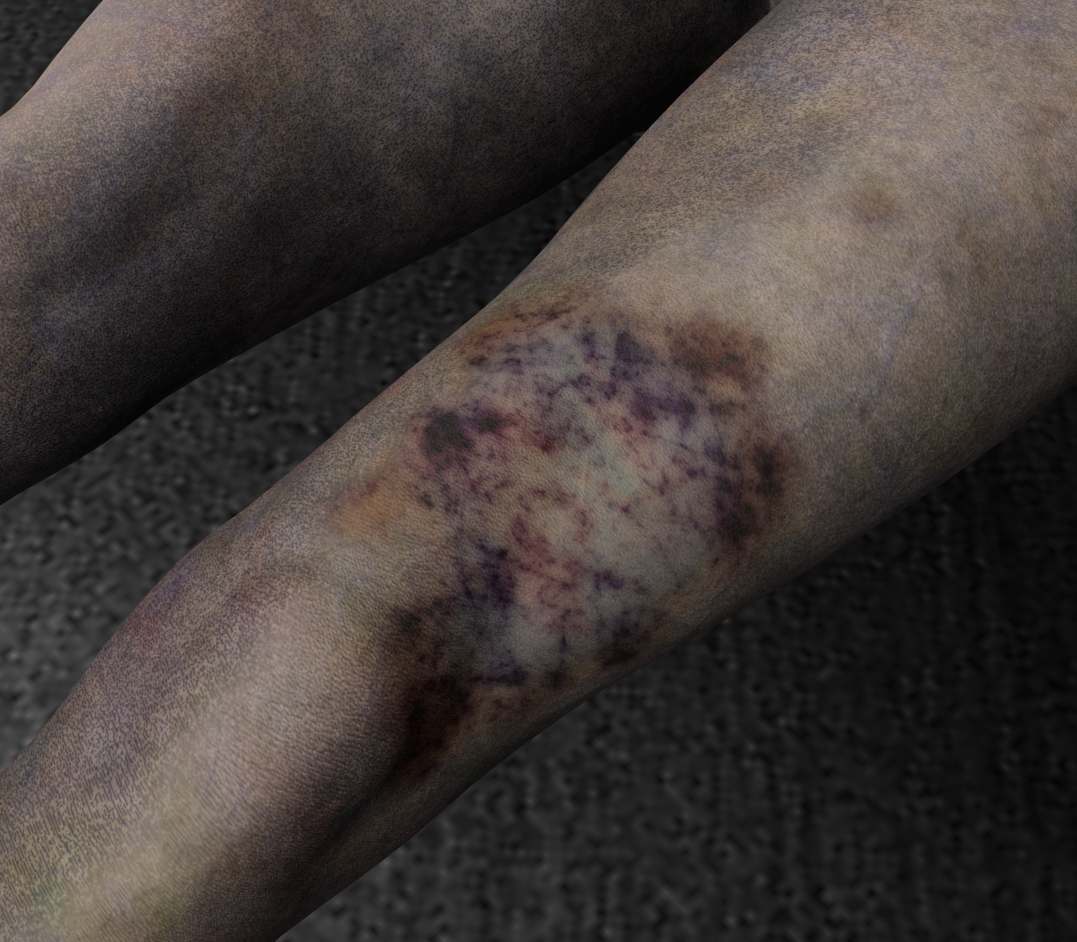
Injury Details 2
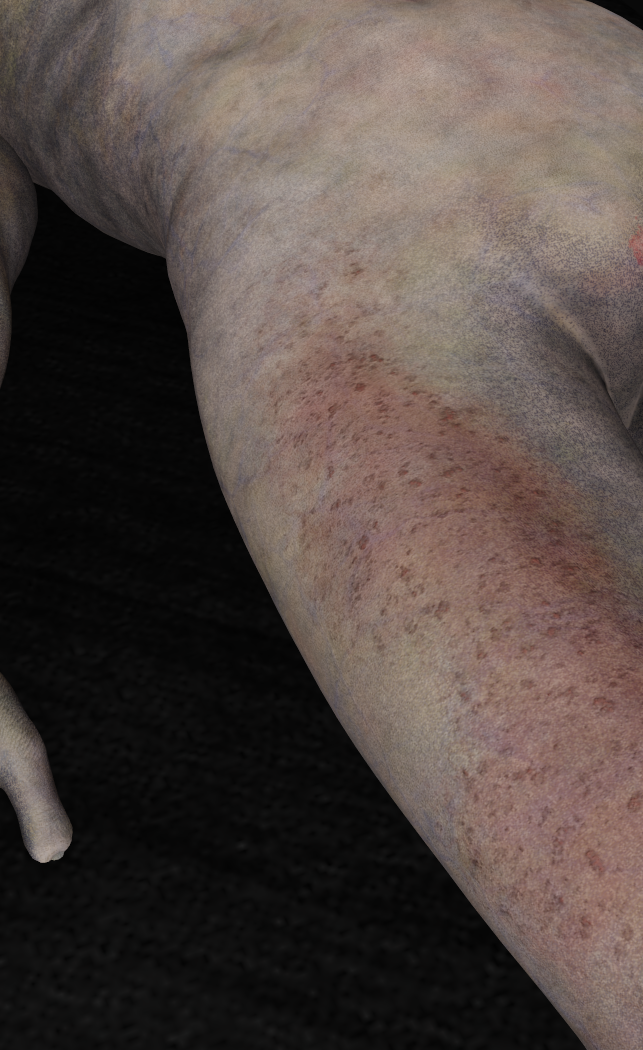
Injury Details 3
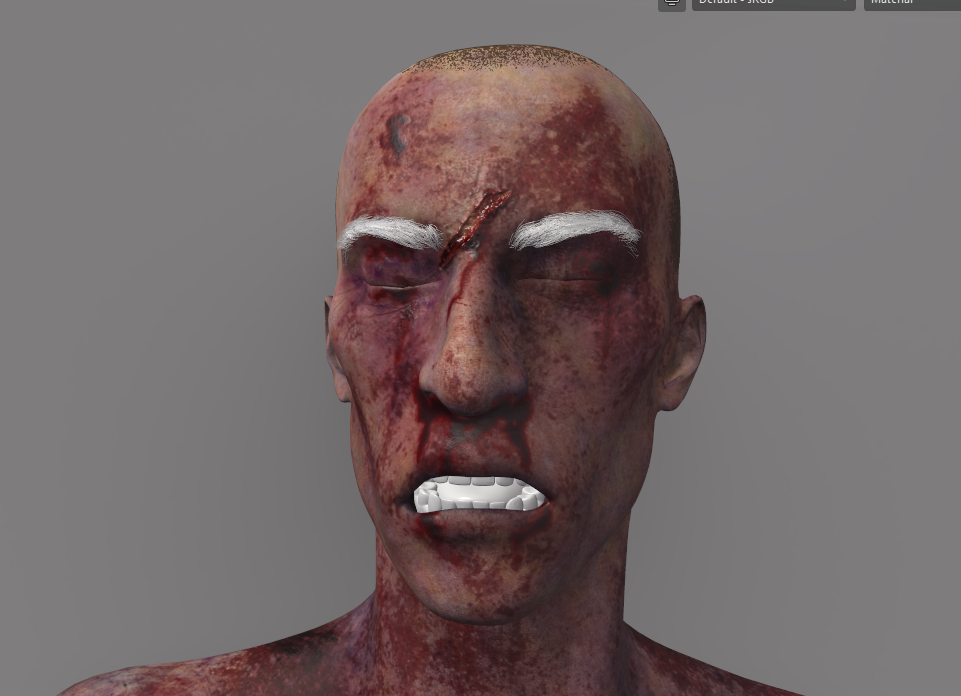
Head Details
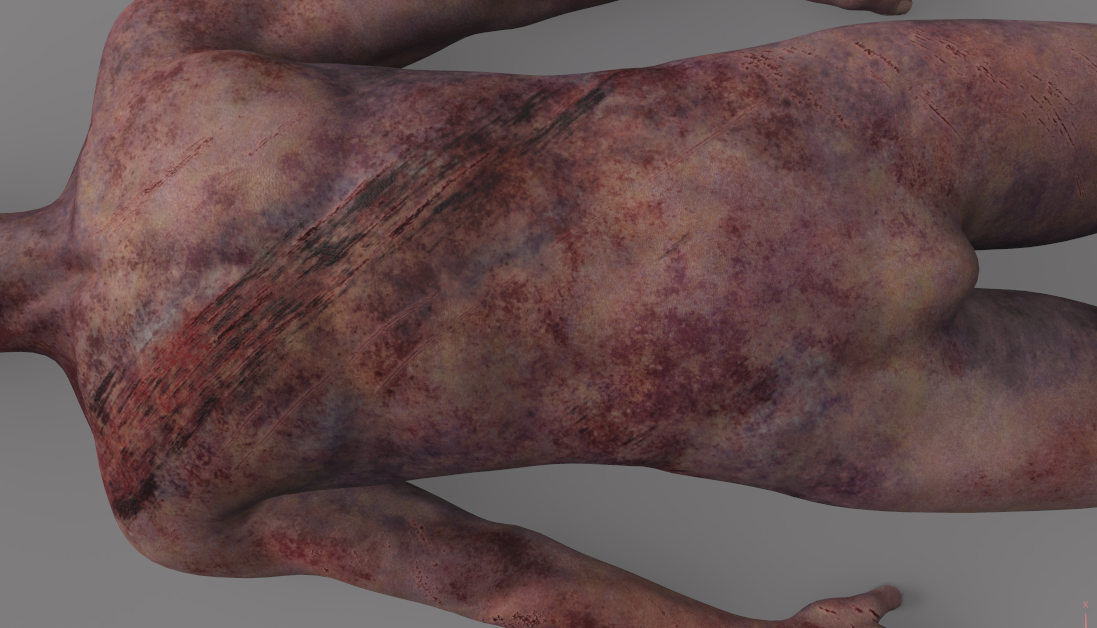
Torso Details
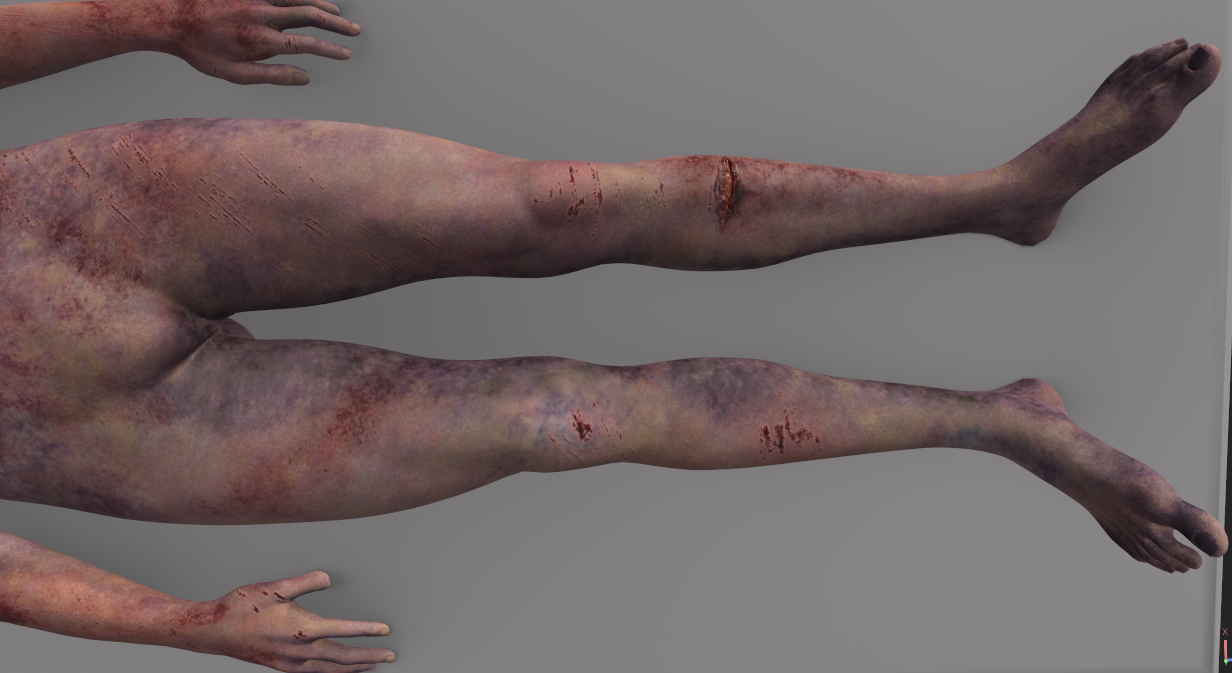
Leg Details
Samantha
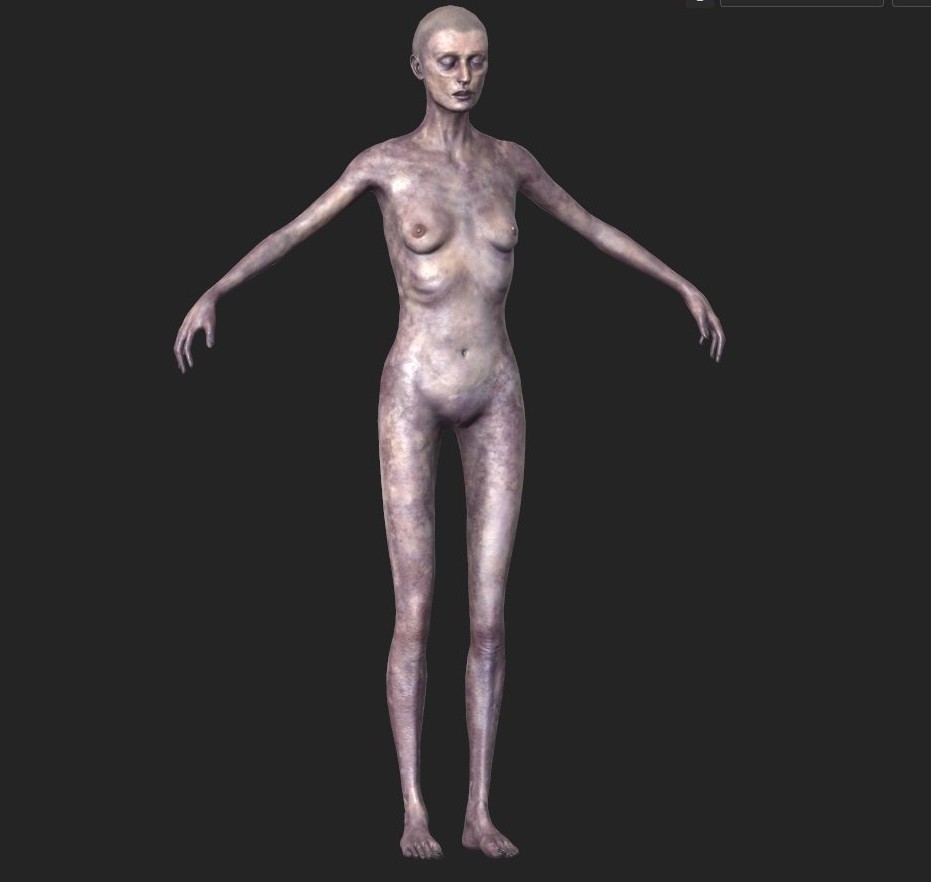
Full Body 1
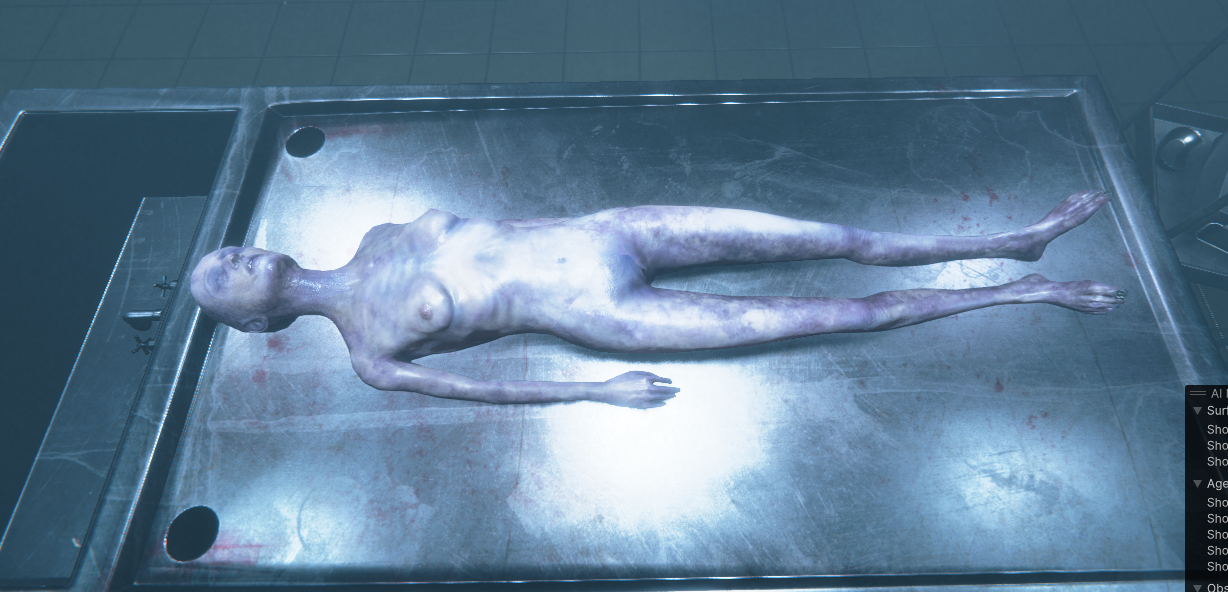
Full Body 2
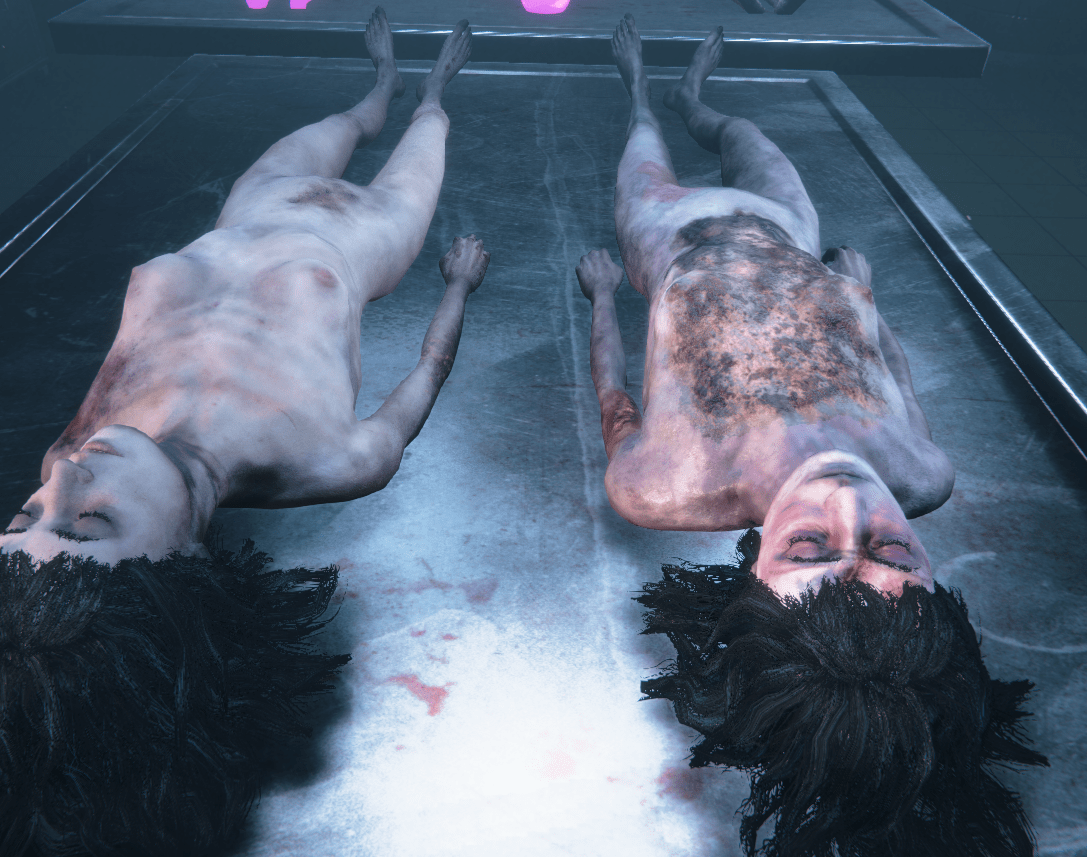
Full Body 3
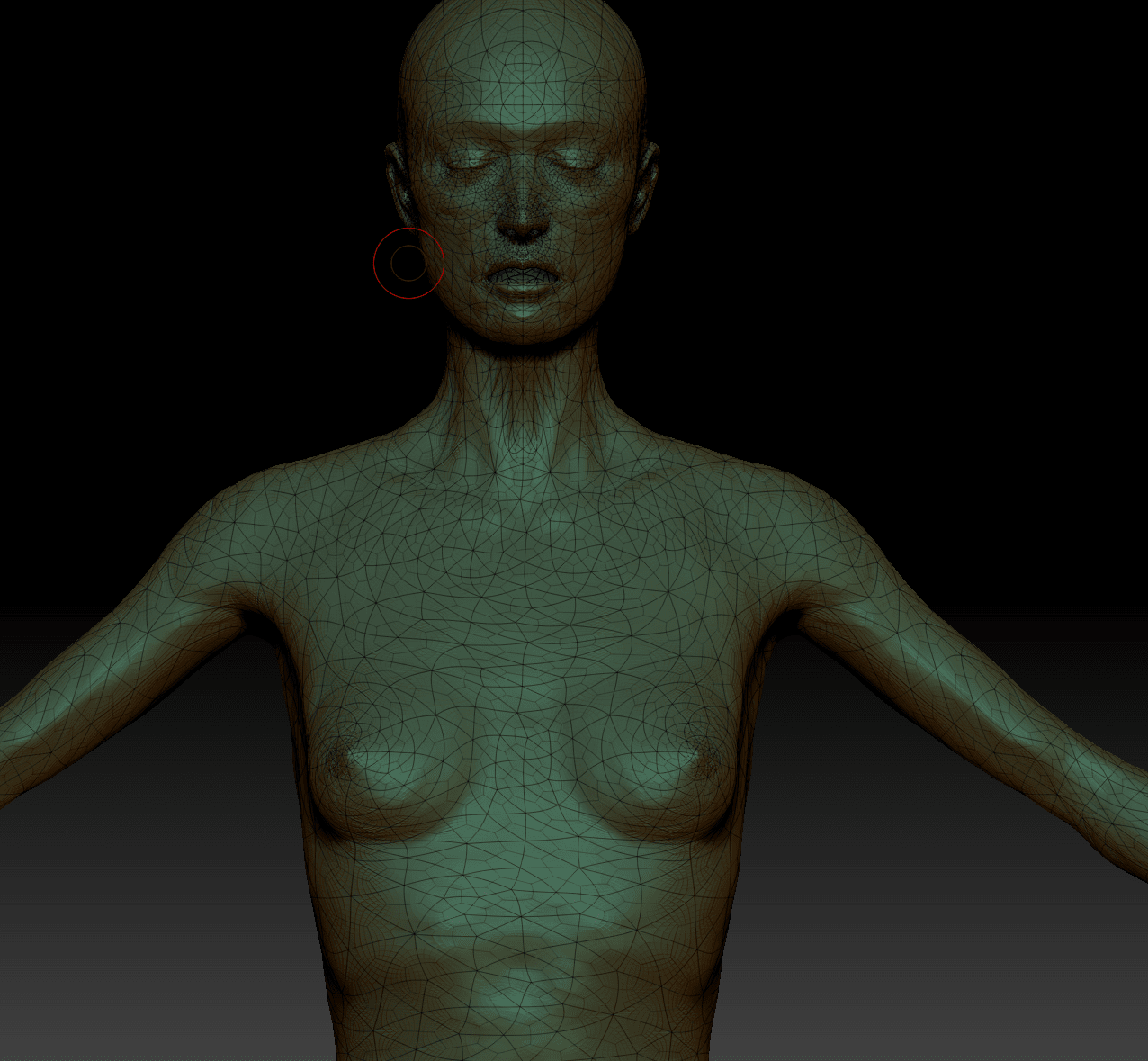
Original Body Topology
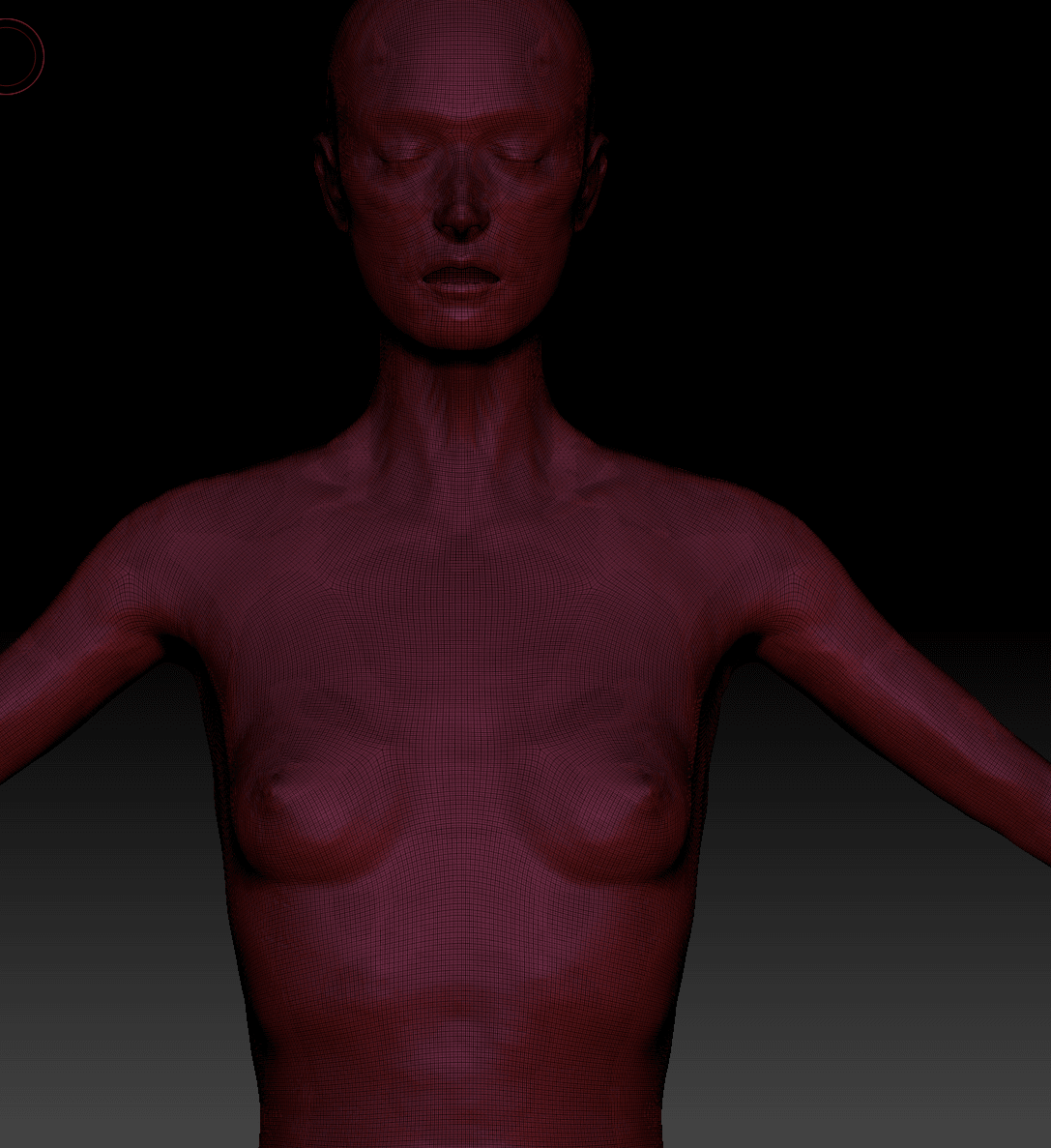
Updated Body Topology
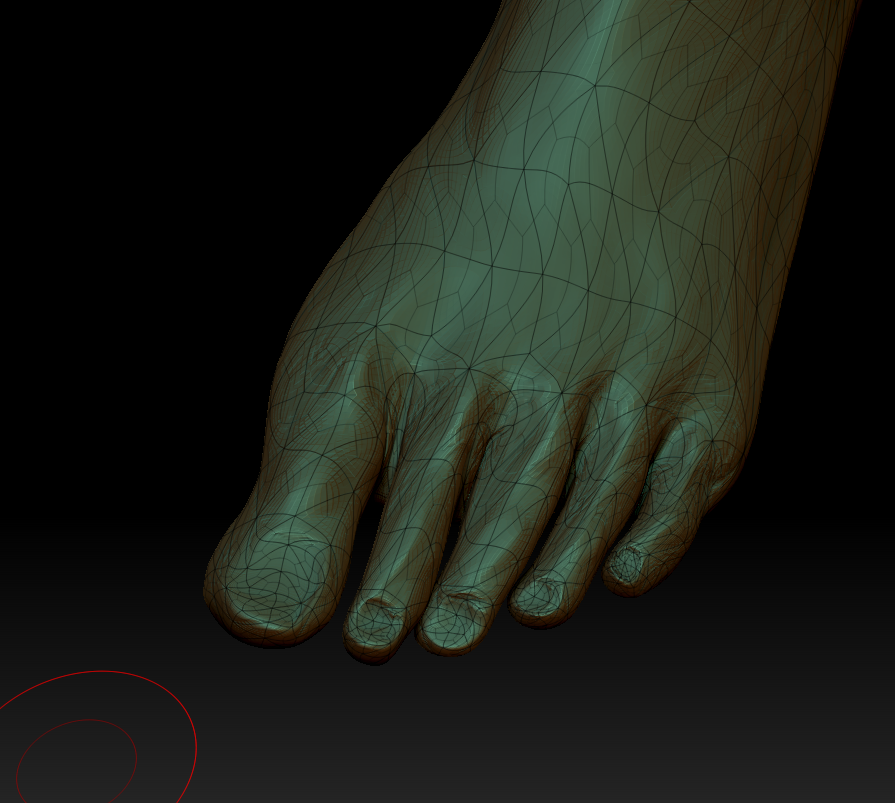
Original Feet Topology
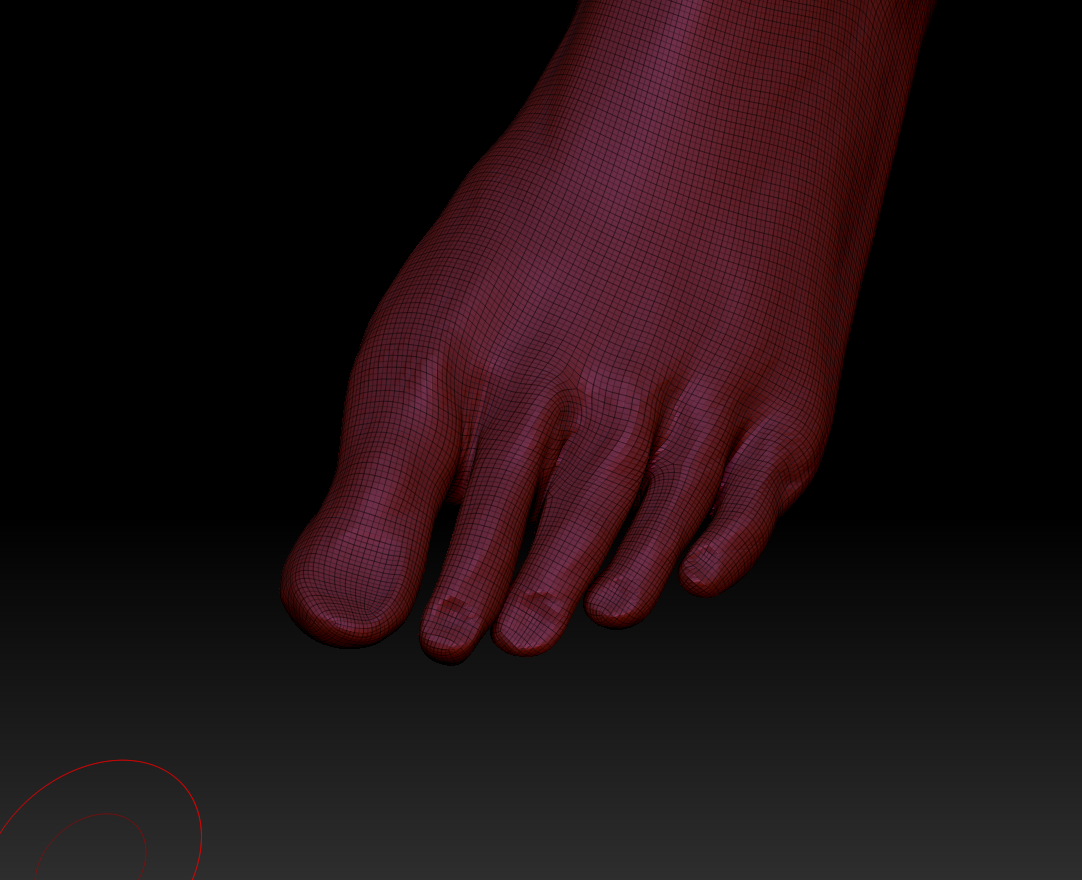
Updated Feet Topology
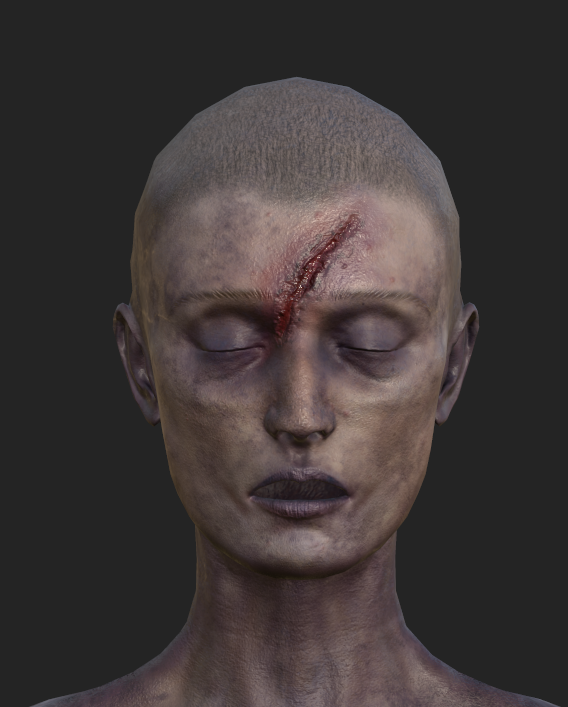
Injury Detail 1
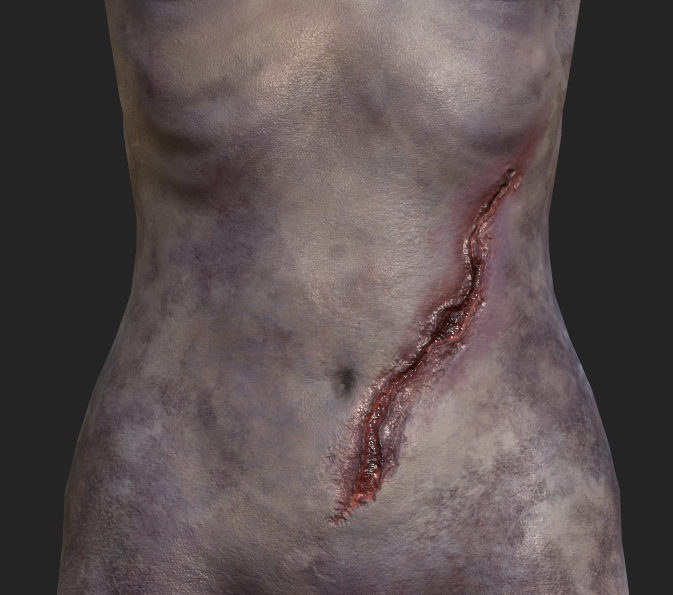
Injury Detail 2
Organ Systems
Detailed organ retexturing with realistic material properties and pathological variations.
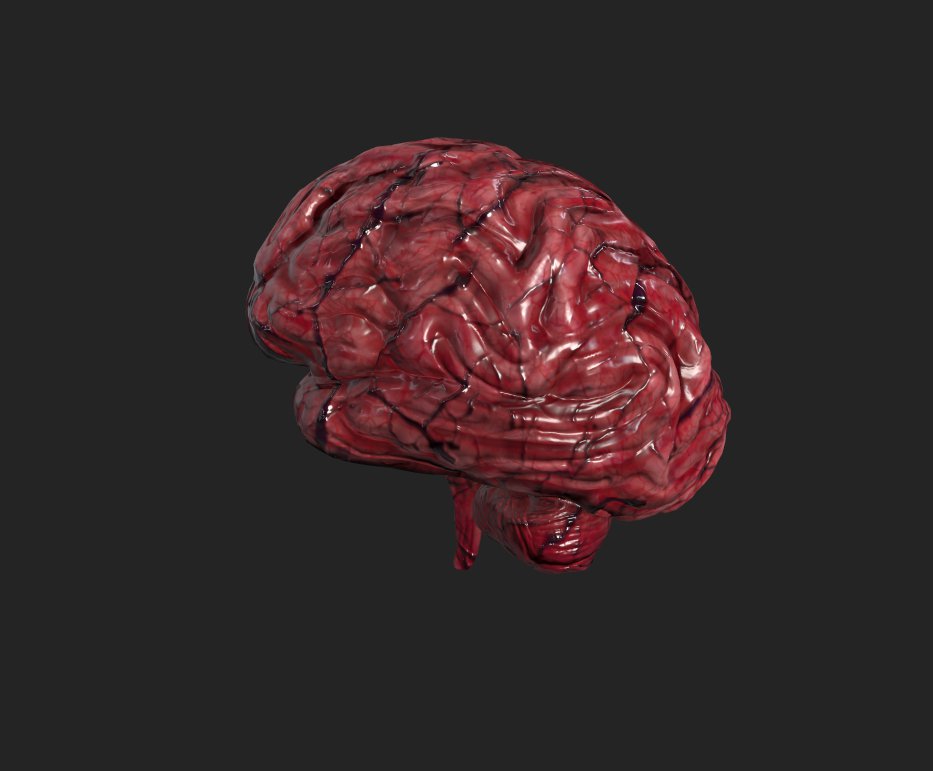
Brain - Hemorrhage
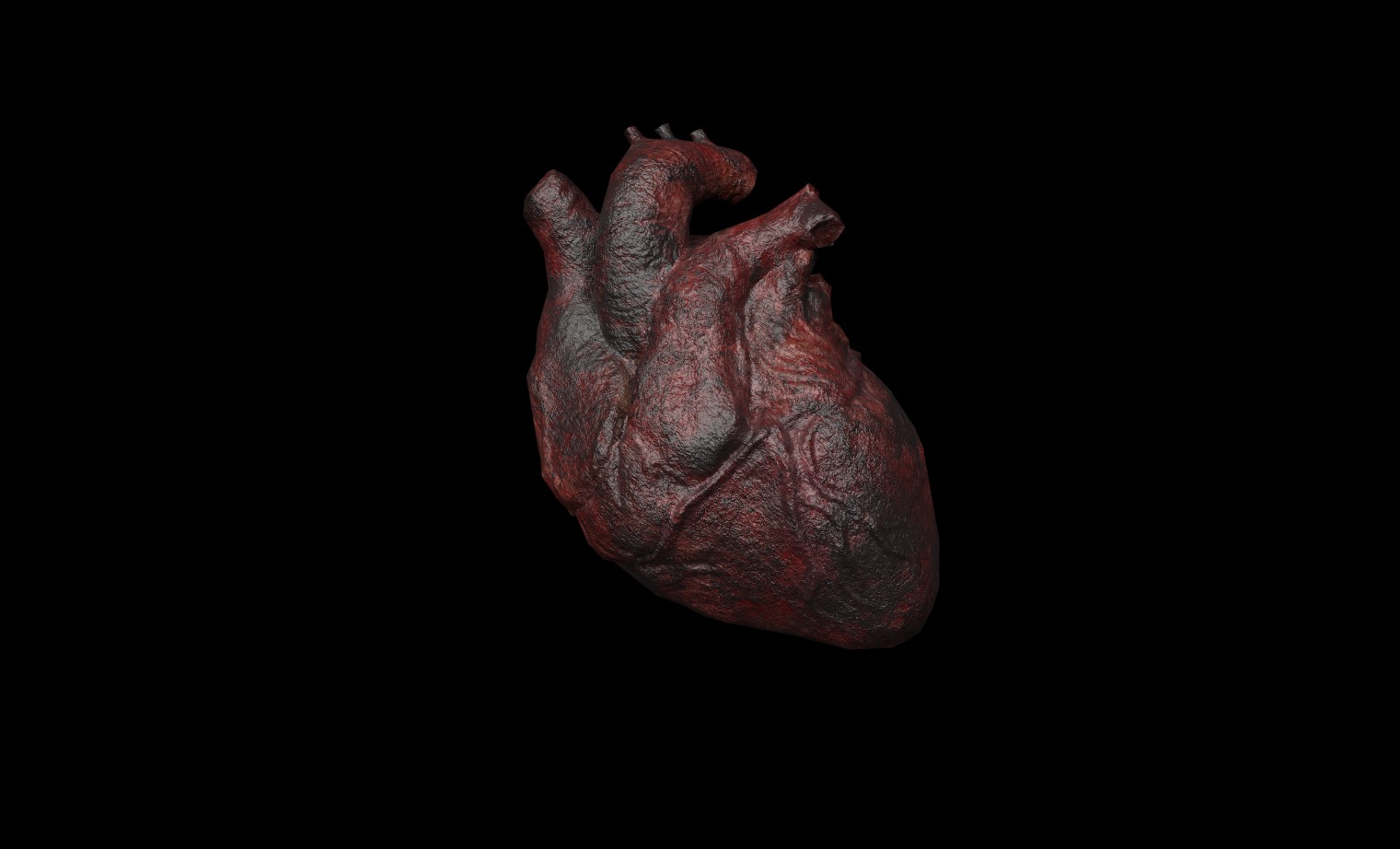
Heart - Burnt Tissue
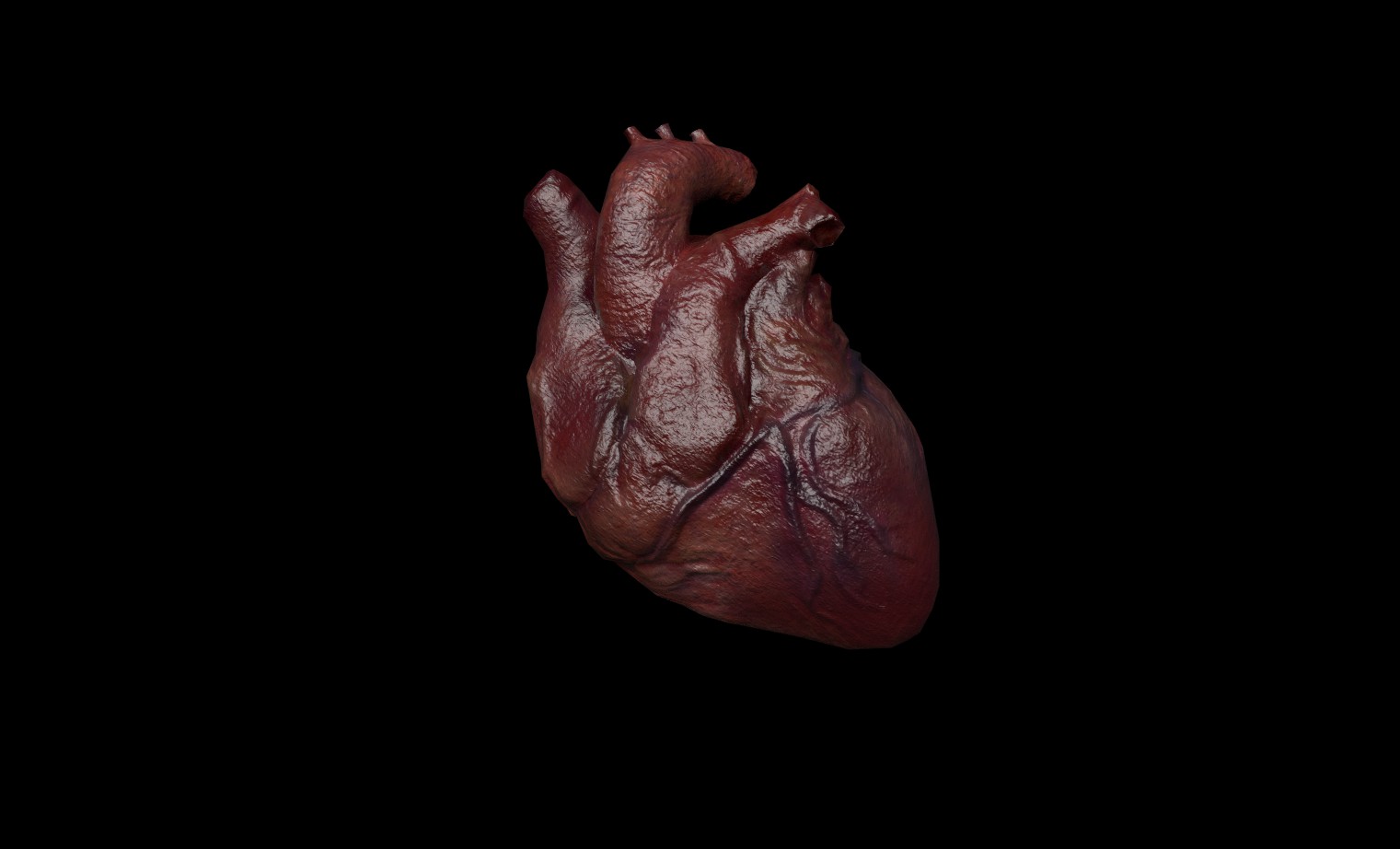
Heart - Discoloured
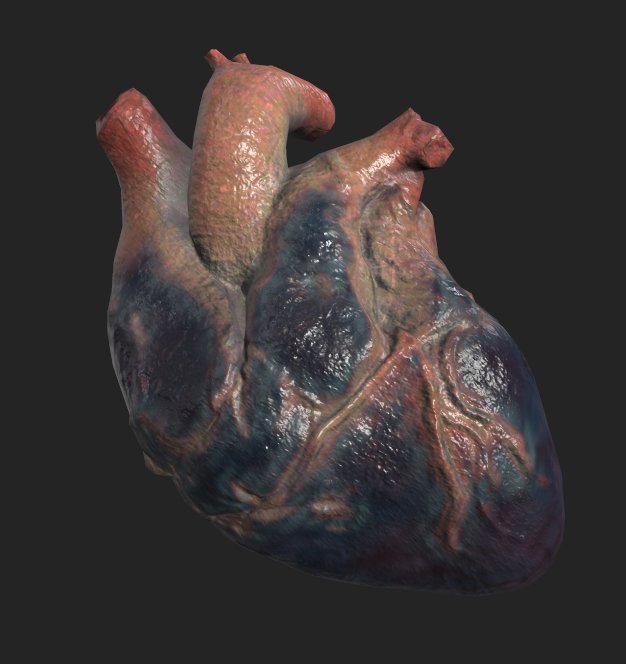
Heart - Discoloured (Variant)
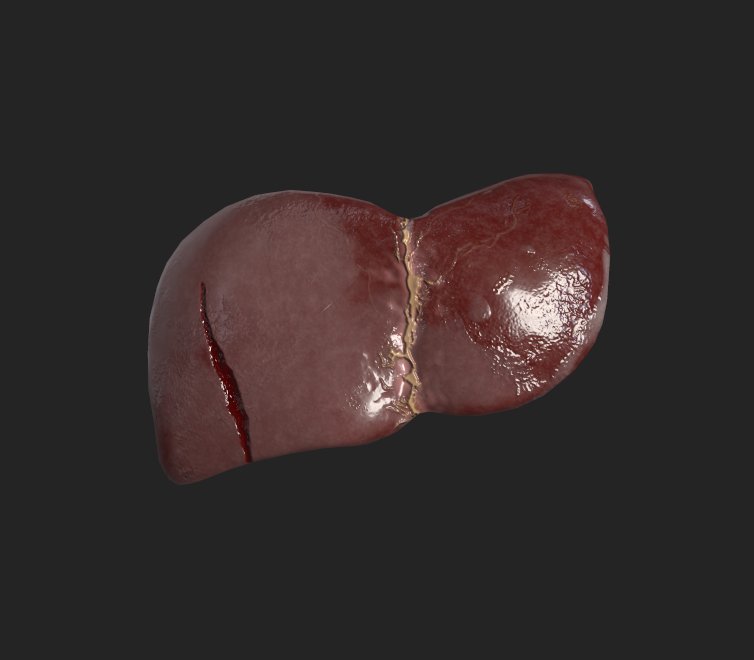
Liver - Laceration
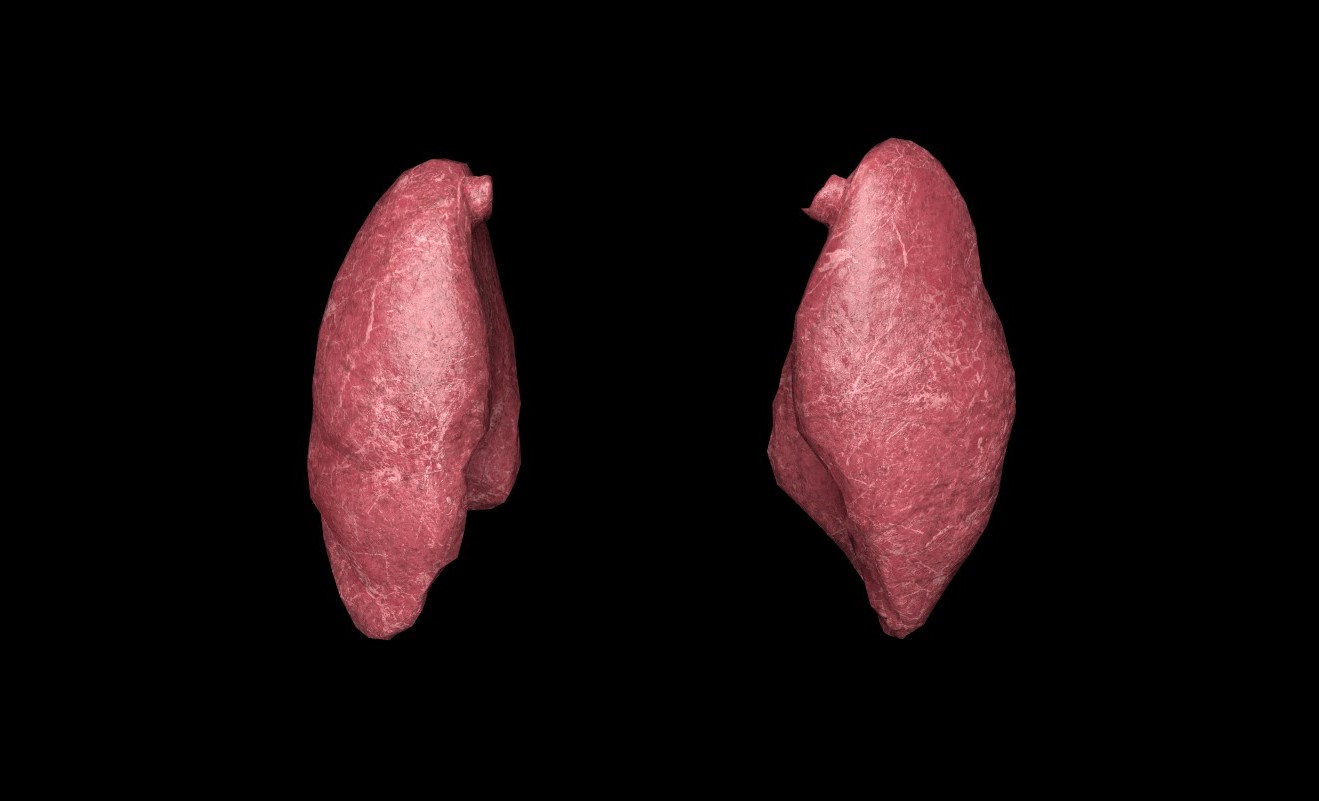
Lungs - Healthy
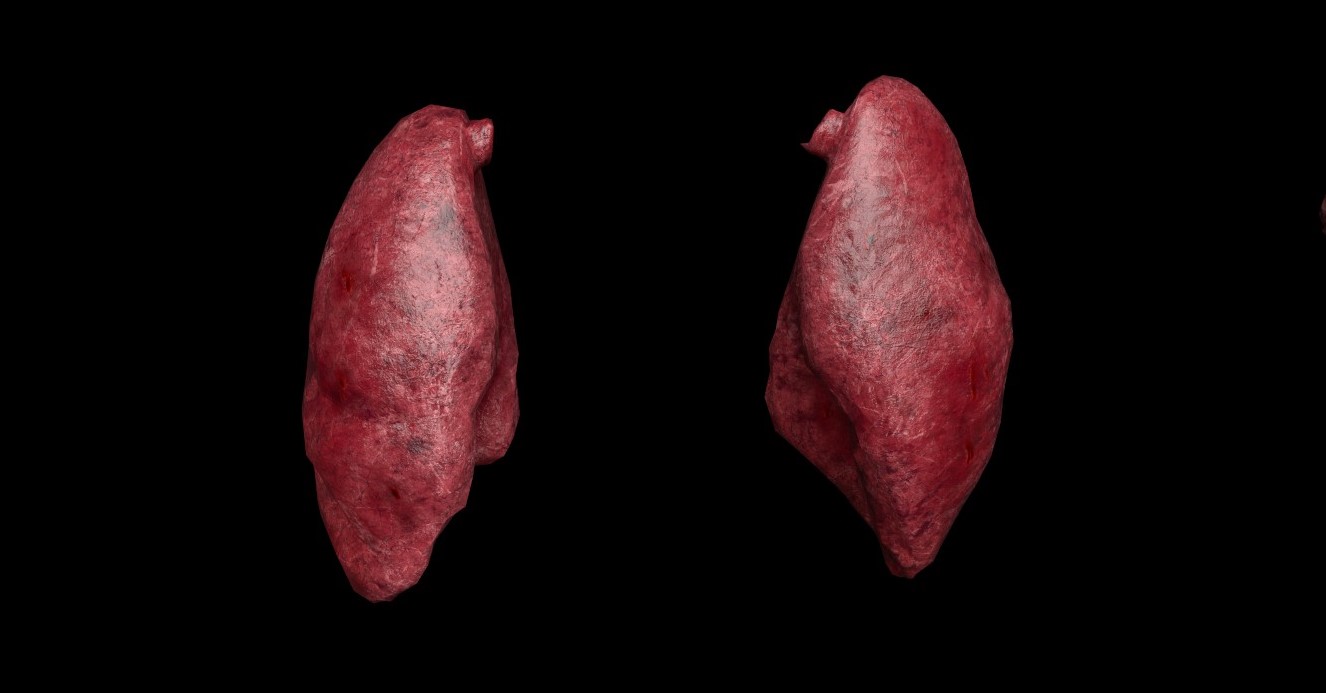
Lungs - Infected & Hemorrhaged
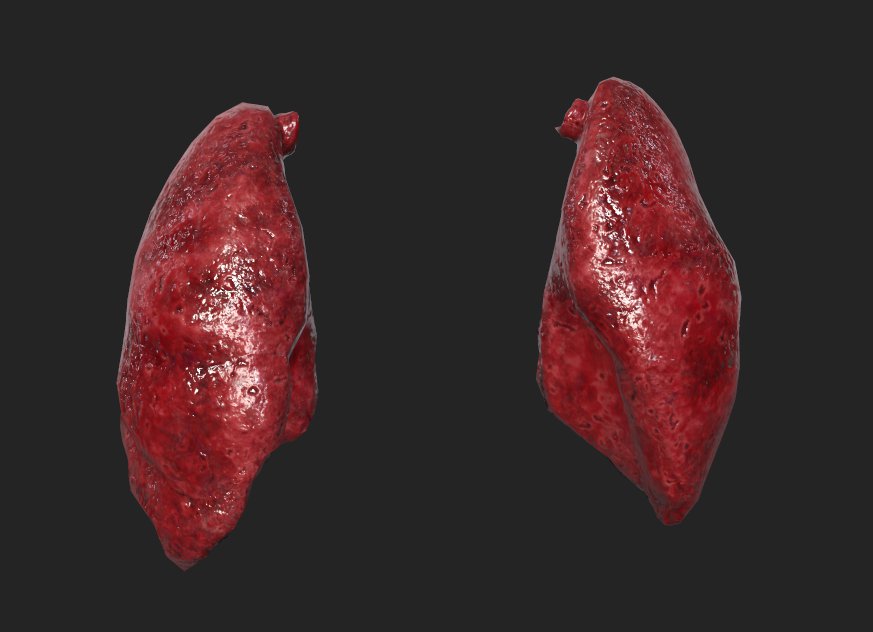
Lungs - Pulmonary Fibrosis
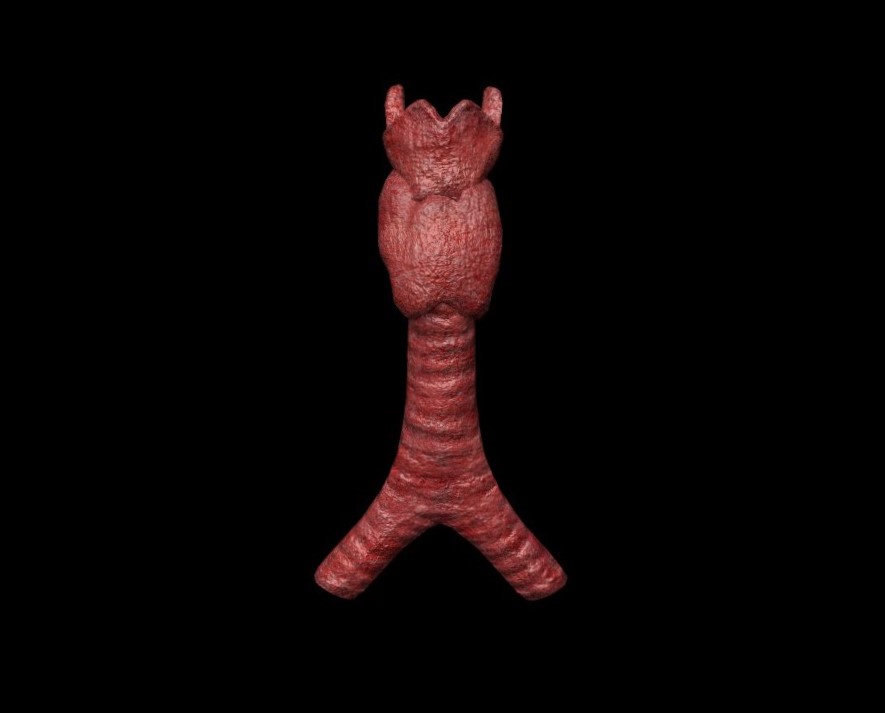
Trachea - Swollen
UI Asset Design
Tutorial board UI assets showing autopsy procedure workflow and individual design elements.
Autopsy Procedure Workflow
 Start
Start  Gloves
  Apron
Apron  Folder
  Camera
  Photos
 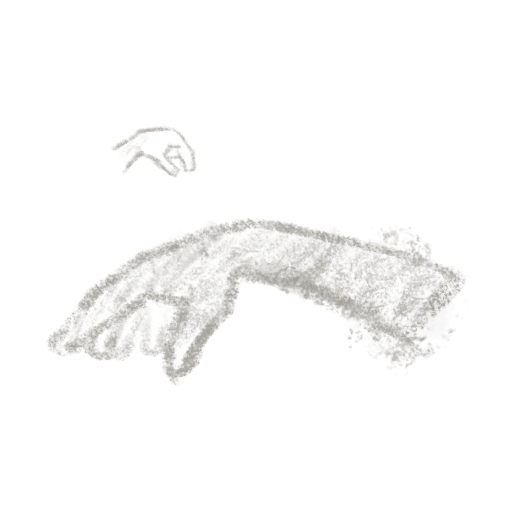 Hand Test
  UV Light
  Magnifying Glass
  Syringe
 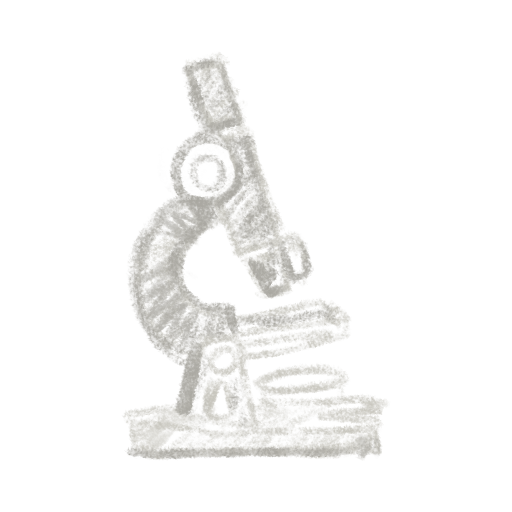 Microscope
  Pipette
  Saw
Saw  Scalpel
 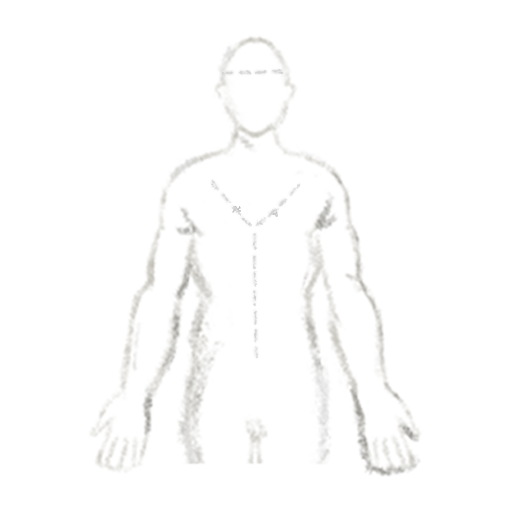 Cut Open
  Brain
Brain 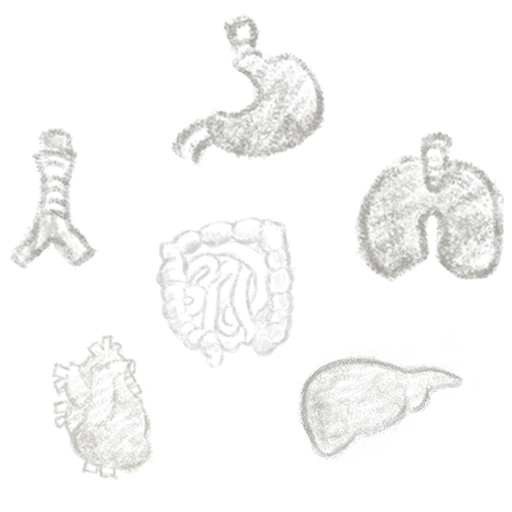 Organs
  Needle
 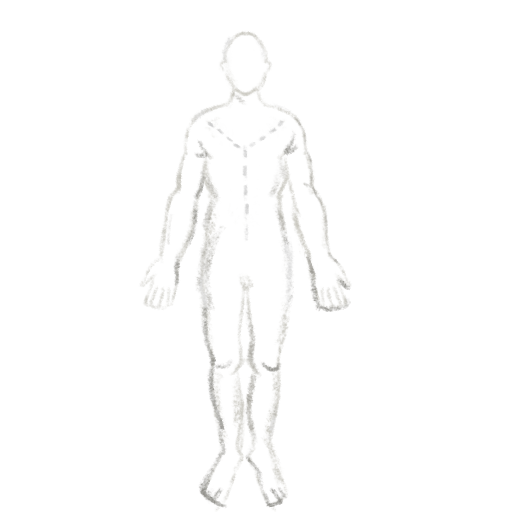 Sew Up
  End
End Final Implementation
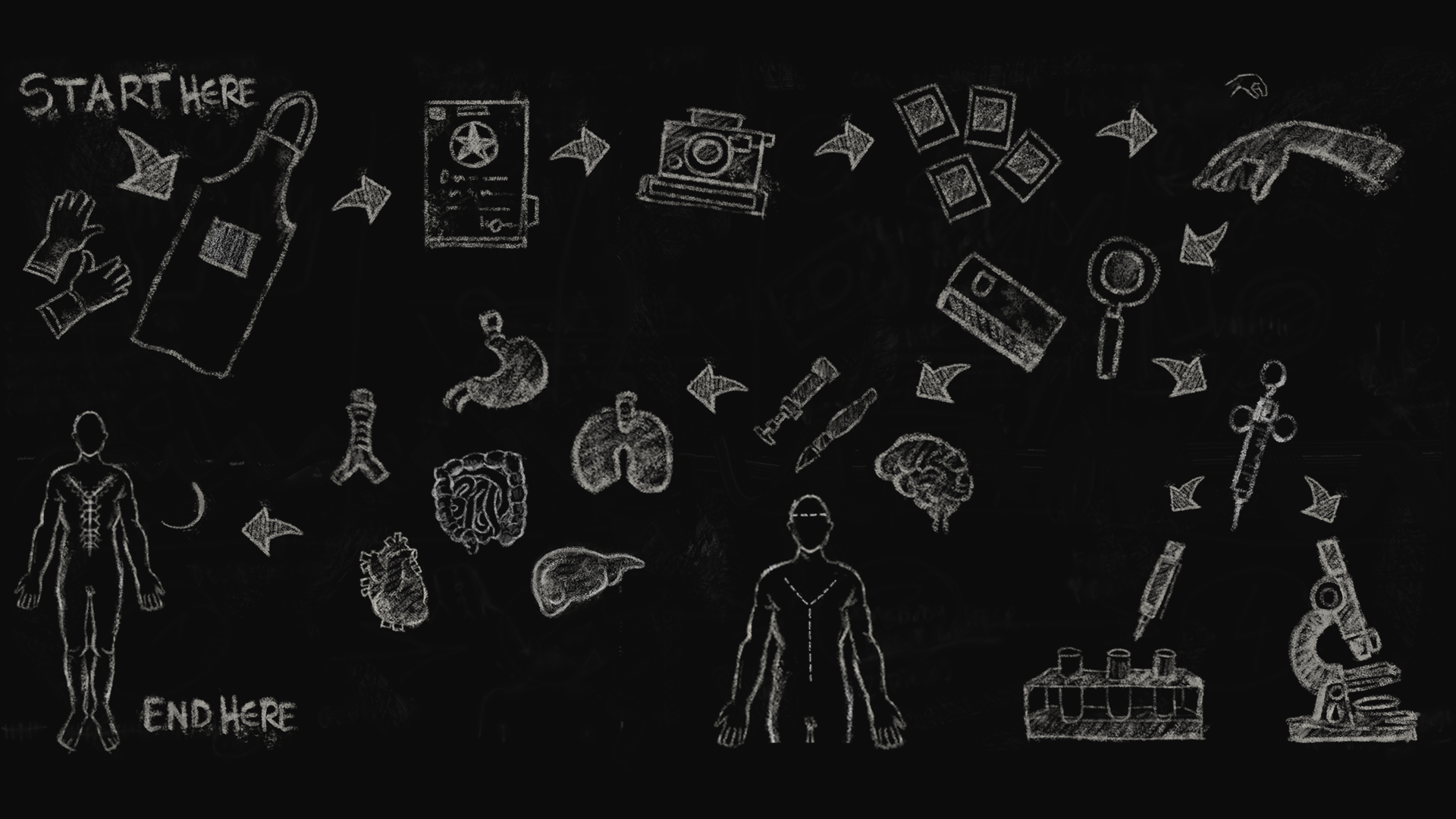
Tutorial Board - Final Composition
Technical Systems
Advanced shader networks and material systems powering dynamic injury visualization with runtime texture array generation and multi-layer blending.
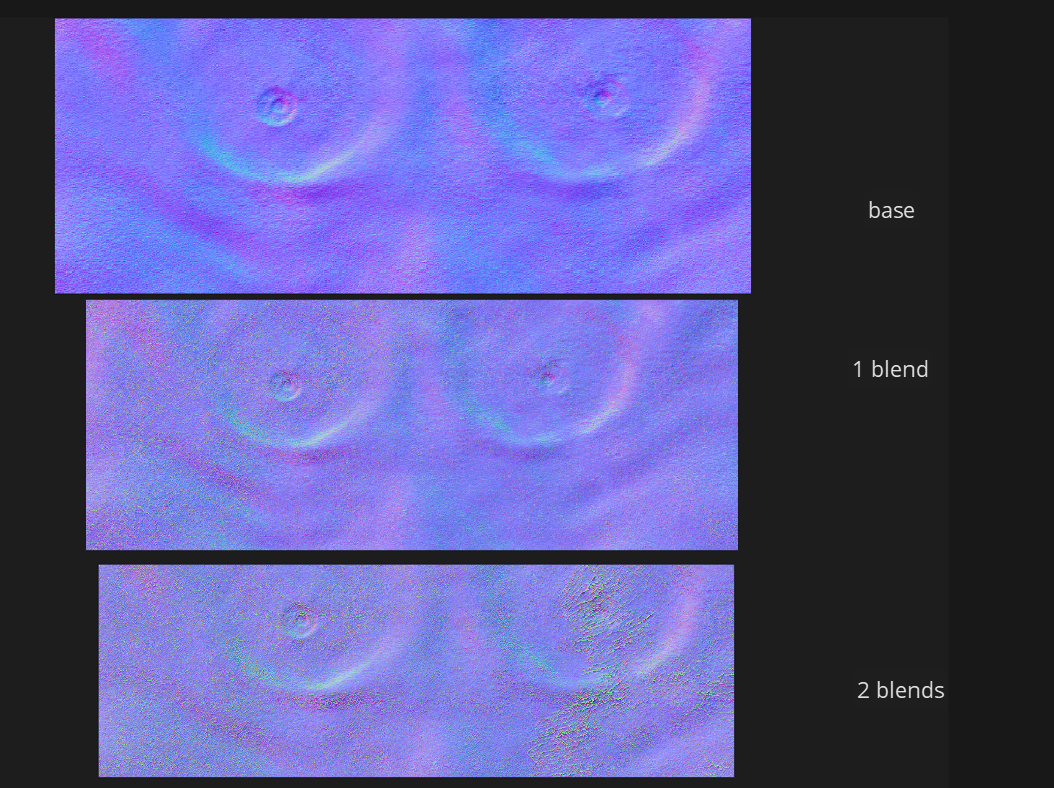
M_Skin_Blend Master Shader
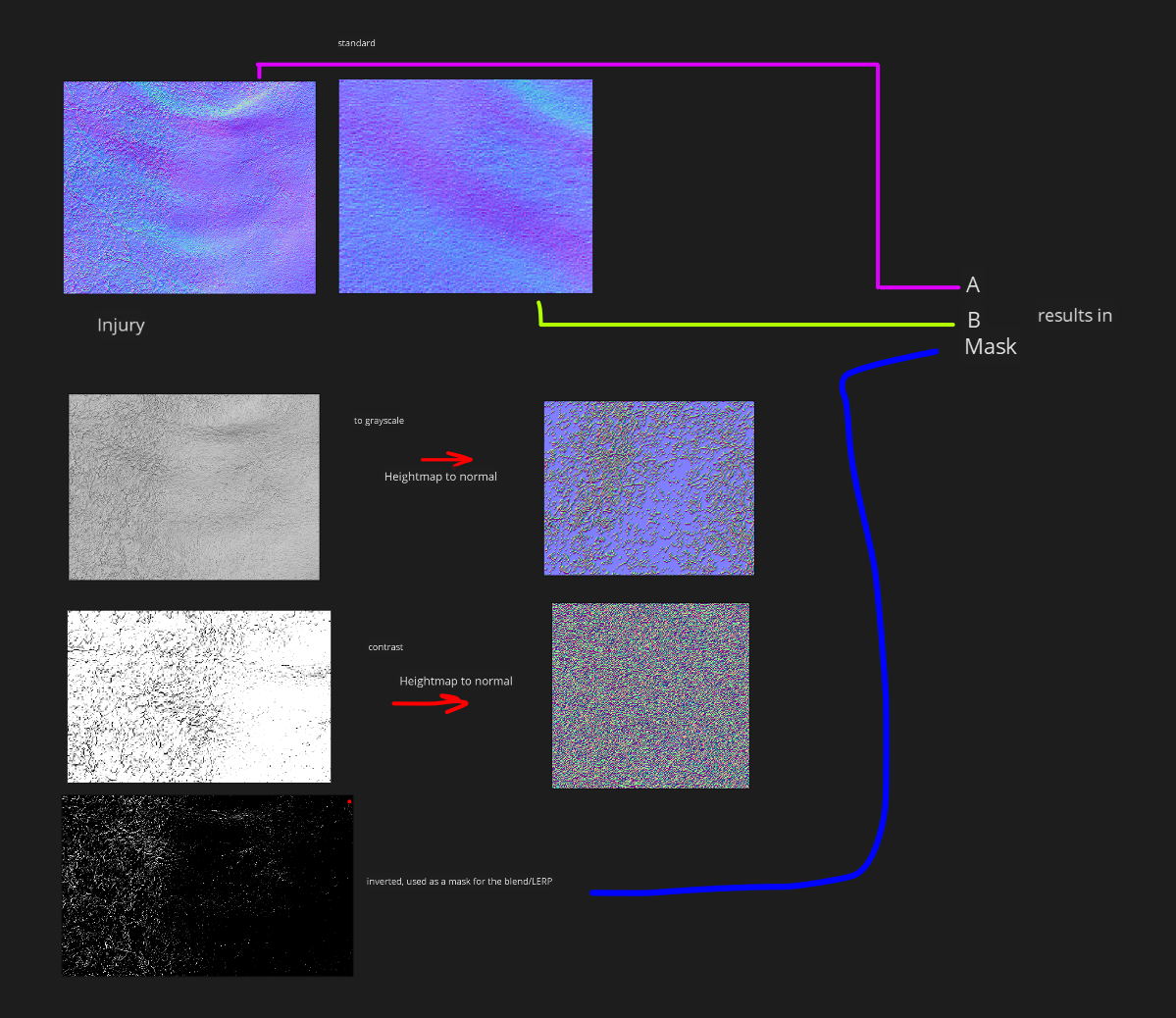
SG_WoundBlend Subgraph
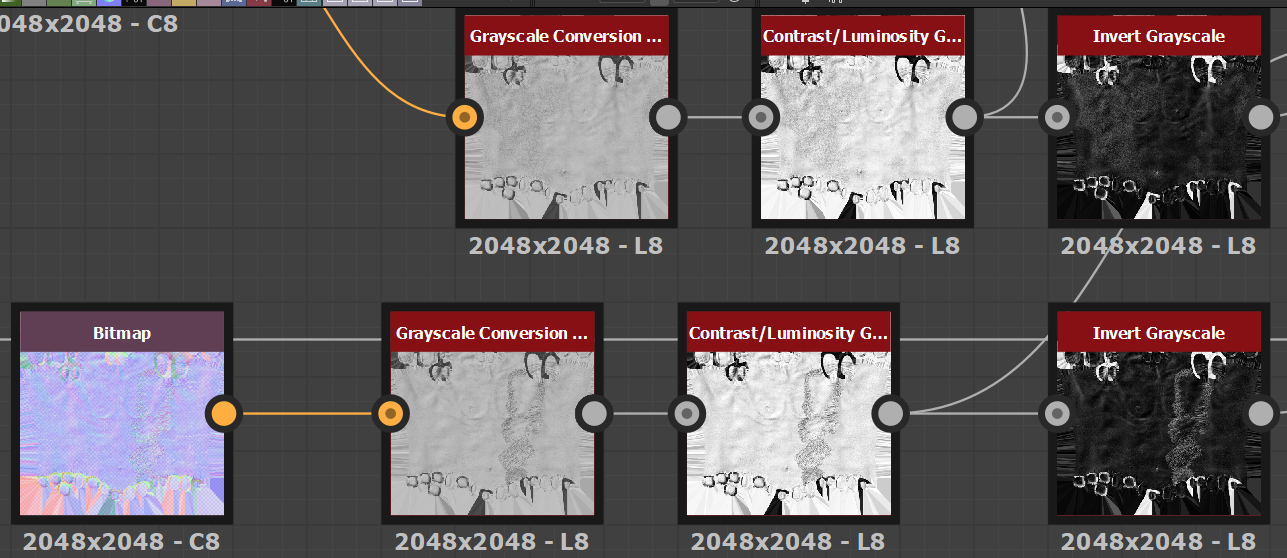
Texture Array Generation
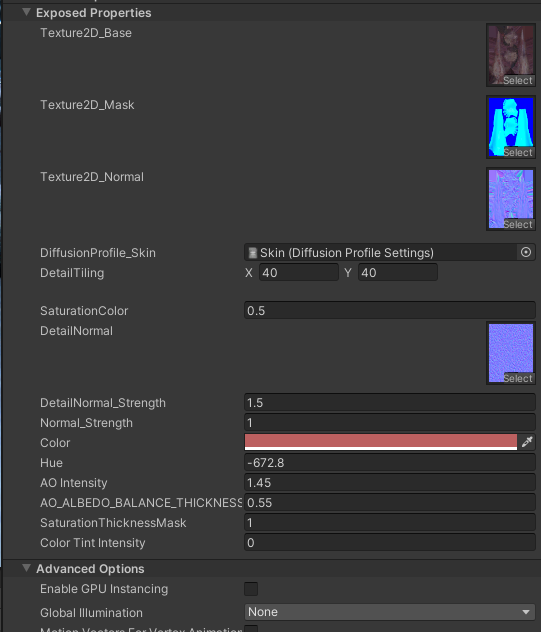
Material Blending System
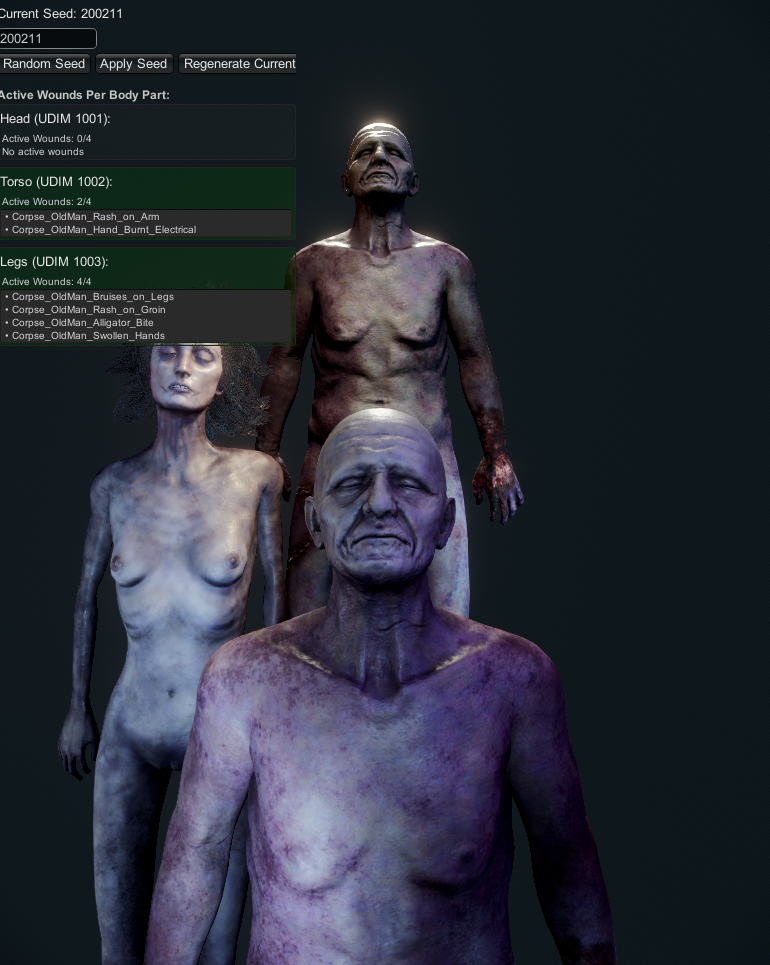
Organ Retexturing System
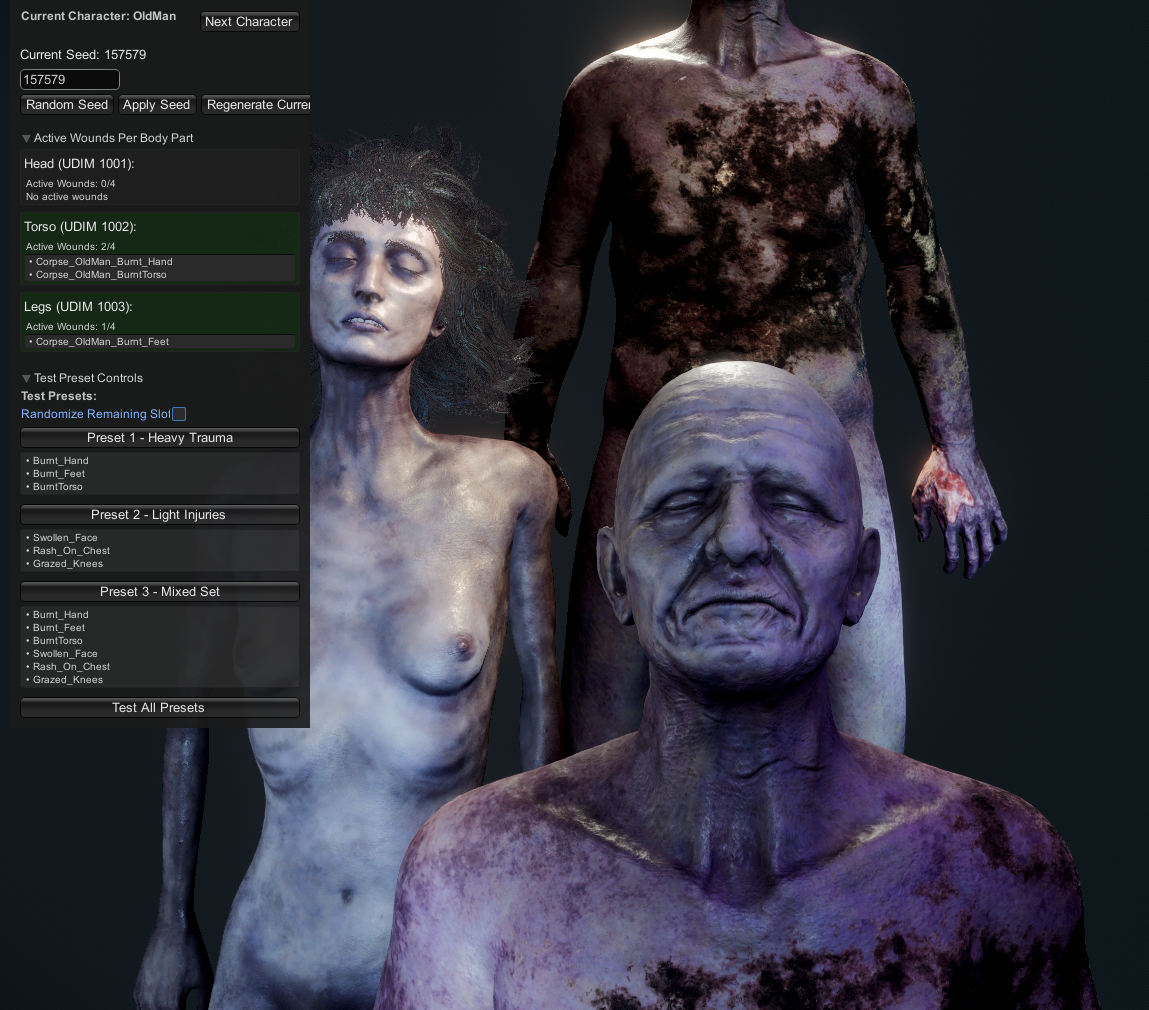
Dynamic Wound Parameters
Master Material Architecture
The material system consists of two primary components working together to enable dynamic wound visualization:
- M_Skin_Blend - Master shader controlling base textures and layer composition
- SG_WoundBlend - Subgraph handling multi-layer blending logic for up to 4 independent wound layers
Texture Array System
To overcome Unity's 16 texture sampler limitation while supporting 4 wound layers, we implemented a runtime texture array generation system. Each character material set requires 3 texture arrays:
- BaseColor Array - RGBA color variations for wound states
- Normal Map Array - RGB tangent space normals for surface detail
- Mask Array - Single-channel masks controlling blend regions
OldMan character: 9 texture arrays (3 material sets) | Samantha character: 12 texture arrays (4 material sets)
Layer Blending System
Each of the 4 wound layers supports independent control through RGBA vector parameters:
- Mask Intensity - Controls blend strength per layer
- Normal Intensity - Adjusts surface detail prominence
- Saturation - Per-layer color saturation control
- Hue Shift - Independent color shifting in degrees
- Power - Contrast and falloff control affecting blend sharpness
- Divide - Division values for fine-tuning blends (supports negative values for inversion)
- Global Intensity - Master strength control per layer
Performance Optimization
The system employs several optimization strategies:
- Runtime texture array generation for memory efficiency
- Single subgraph reused across all wound layers
- Texture array approach stays under Unity's sampler limit while supporting complex layering
- Procedural blending reduces need for unique texture sets
Need AAA Asset Production?
Let's discuss how we can bring your project to life with high-quality assets and technical expertise.